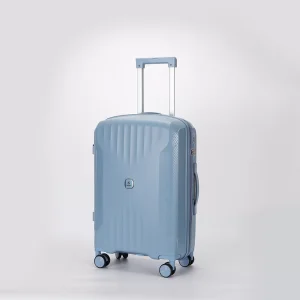
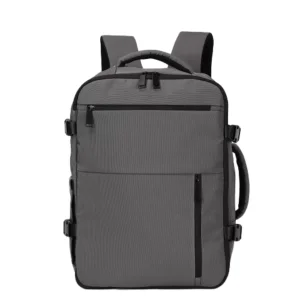
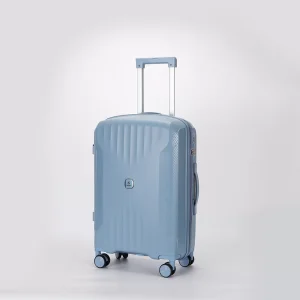
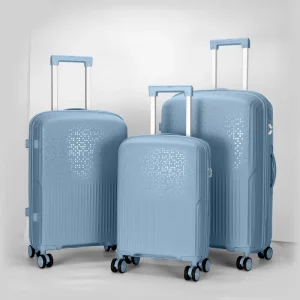
Engineered to meet the logistical demands of Muscat, Sohar, and Salalah distribution networks.
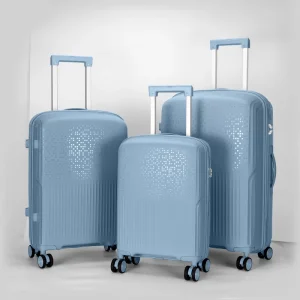
Analyzing localized demands, climate resilience, structural engineering, and Sino-Omani trade optimization.
As the Sultanate of Oman executes its transformative Oman Vision 2040 strategy, the diversification of its national economy has triggered an unprecedented surge in infrastructural, commercial, and tourism sectors. Underpinning this expansion is a rapidly rising requirement for specialized travel luggage, utility backpacks, and executive business bags. Whether catering to the upscale eco-tourism influx in Salalah, the expanding commercial hubs of Muscat, or the international logistics personnel transiting through Sohar Port, local distributors require robust supply chains that deliver top-tier, compliant, and durable travel gear.
Establishing strategic partnerships with large-scale manufacturing facilities in China provides Omani commercial entities with the operational scale, chemical compliance, and customization flexibility needed to capture significant market share. This whitepaper details the structural requirements, engineering safeguards, and economic efficiencies driving the current import trends for high-performance travel gear in Oman.
The Middle East environment presents severe operational challenges for plastics, polymers, and synthetic textiles. Travel gear destined for the Omani market must withstand extreme temperatures ranging from 10°C in winter nights to exceeding 50°C during peak summer months, coupled with high humidity along the coastal corridors of Al Batinah and Dhofar.
Technical Insight: OMASKA's premium PP-based shell structures undergo rigorous environmental stress cracking resistance (ESCR) test cycles under simulated Middle Eastern summer temperatures, ensuring shell elasticity and drop resistance even at peak load capacities.
The global travel bags market is undergoing a transition toward material safety, lighter weights, and smart functionalities. Modern B2B buyers—ranging from corporate procurement departments in government ministries to specialized outdoor retail chains in Muscat Grand Mall—are moving away from generic OEM configurations toward specialized ODM configurations that carry certified material declarations.
China's highly integrated supply chain clusters offer unparalleled advantages. From local chemical formulation plants in Zhejiang and Hebei to automated extrusion facilities, Chinese factories manage the complete vertical integration of polypropylene processing and precision textile weaving. This consolidation allows OMASKA to compress production lead times, implement multi-stage quality gates, and offer scalable customization options, including private labeling, localized branding plaques, and specialized regional sizing requirements.
Importing consumer commodities into Oman requires strict adherence to Gulf Standardization Organization (GSO) regulations and the Royal Oman Police customs protocols. Our manufacturing facilities are fully prepared to support importing distributors through robust documentation structures:
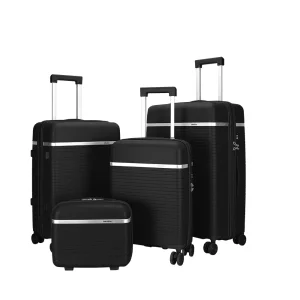
Providing high-precision OEM/ODM travel gear under internationally recognized quality marks.
Our quality control sequence operates at three operational layers: Incoming Material Inspection (IQC), In-Process Quality Control (IPQC) during assembly, and Final Random Inspection (FQA) prior to container loading. Every batch undergoes drop-tests, trolley telescopic cycle tests (up to 10,000 extension cycles), and colorfastness tests.
We enable Omani distributors to tailor interior lining layouts, embed tracking microchips, adjust exterior shell molds, select specific lock mechanisms (such as TSA-approved locks), and custom-print brand assets to align with local corporate gifting and retail programs.
Our raw plastics are sourced exclusively from tier-1 petrochemical manufacturers. This guarantees uniform melt flow index (MFI), preventing stress concentrations in final product shells and ensuring stable drop performance in high-stress airport handling systems.
OMASKA has established sales channels and brand representation stores across over 30 countries. We continuously invest in advanced automated sewing, computerized cutting machines, and high-capacity plastic injection presses to ensure uniform stitching and structural consistency.




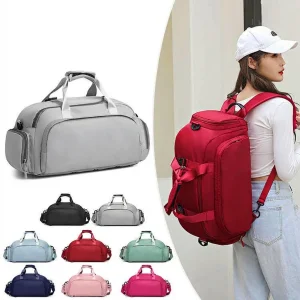
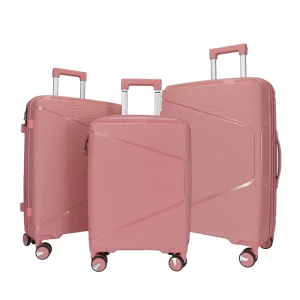
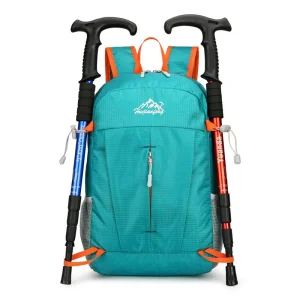
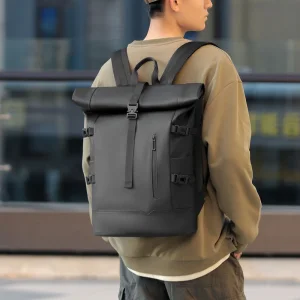
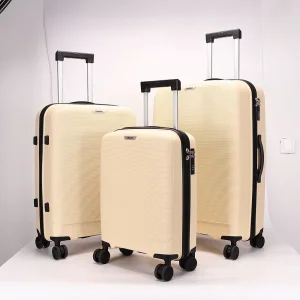
High-volume B2B supplies featuring advanced shock absorption, anti-theft zipper mechanisms, and waterproof textiles.
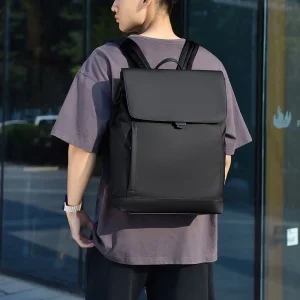
Developing lightweight, circular economy, and smart connected solutions for modern transit ecosystems.
Looking ahead, OMASKA’s engineering team is actively focusing on three core areas to align with global environmental mandates and technological advancements in transportation:



Addressing compliance, order management, transport channels, and customize structures for Omani commercial buyers.
 omaska