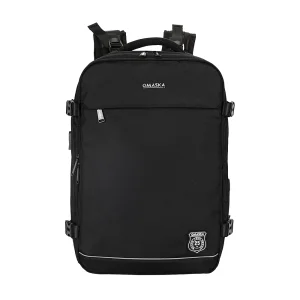
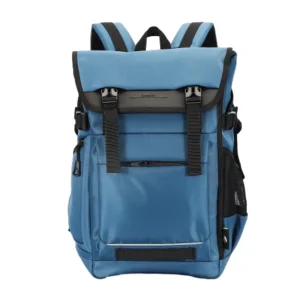
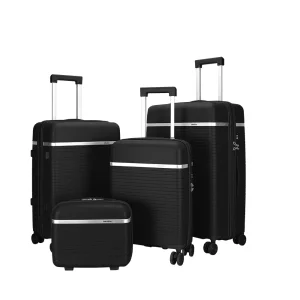
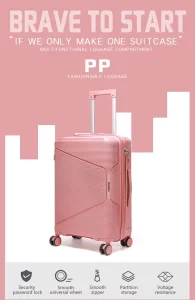
Discover our leading range of high-end business and technical backpacks designed for secure electronic transit and executive travel.
In the post-pandemic corporate ecosystem, the lines dividing business travel, remote operations, and traditional commuting have largely dissolved. Corporate buyers, distributors, and global brands are facing an unprecedented paradigm shift: customers no longer want just a bag; they demand a high-performance, mobile workstation enclosure. According to recent macro-economic analyses, the global travel backpack market with dedicated device protection is experiencing a compound annual growth rate (CAGR) of over 7.4%, largely driven by the expansion of the digital nomad workforce, enterprise digital transformation, and the rising standard of ergonomics in transit.
This dynamic has forced manufacturers to migrate from basic textile assembly lines to highly complex, technology-driven production units. Modern procurement agents are bypassing low-tier assemblers in search of vertically integrated manufacturing partners who control the supply chain from raw polymer formulation to drop-test compliance. In this context, understanding the capabilities of the top global travel backpack with laptop compartment manufacturers is essential to establishing a resilient retail or corporate procurement framework.
Information Gain Metric: While basic consumer reviews focus on zipper smooth-glide and aesthetics, B2B procurement demands quantitative durability data—such as denier counts, polyurethane backing thickness, tensile load tolerance thresholds, and certified cycle life of hardware under thermal stress.
The manufacturing epicenters have similarly evolved. Regions like Baigou in China—globally recognized as a structural capital of luggage fabrication—have advanced from cheap labor operations to automated tech clusters. By utilizing state-of-the-art synthetic materials like high-density Oxford weave, waterproof TPU coatings, and ultra-impact resistant polypropylene shells, these clusters define the baseline performance parameters for corporate and consumer luggage worldwide.
For over 26 years, Tian Shang Xing has driven the integration of advanced material sciences with professional carrying solutions under its premier global brand, OMASKA.
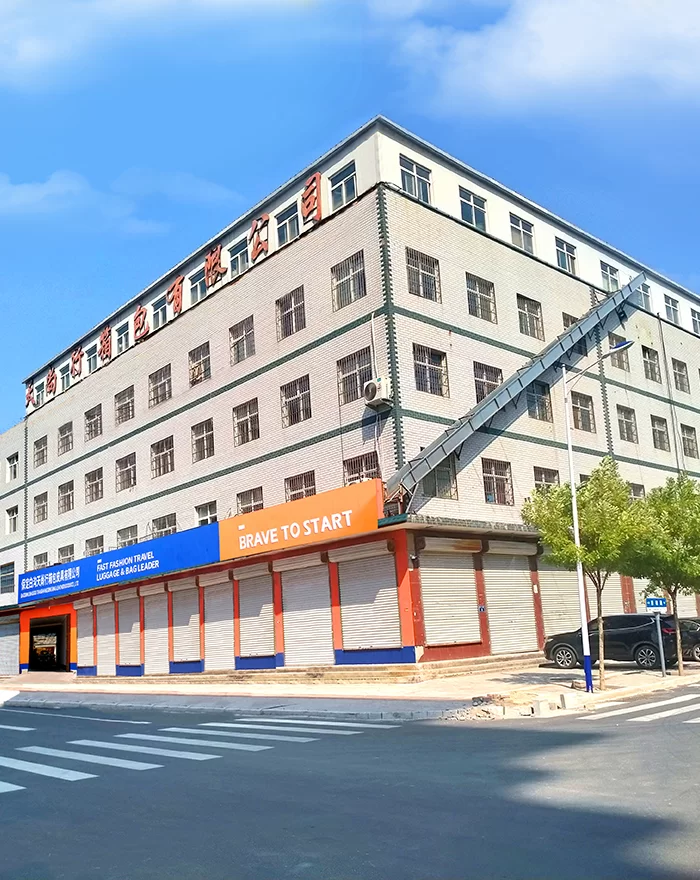
Throughout its 24-year development process, Tian Shang Xing has always taken customer market demand as the guide for product research and production. We have successively registered brands such as Tianshang Xing, Inspur, Taya, Balmatik, Rolling Joy, and OMASKA. Among these, OMASKA represents our flagship high-tier portfolio. As of today, OMASKA has successfully secured trademark registration in more than 30 sovereign territories, including the European Union, the United States, and Mexico, establishing OMASKA sales agents and brand image stores in more than 10 countries.
Tian Shang Xing produces and ships according to rigorous customer requirements, providing you with a perfect experience of brand value and comprehensive product tracking services during both OEM and ODM processes. Tian Shangxing's dedication and focus have also won the trust of major global clients. Tianshang will continue to deepen its cultivation of luggage products and become a creator of fast-fashion travel luggage, committed to leading the innovative development of the luggage industry and bringing Baigou luggage to a larger stage in the world.
How OMASKA maps engineering excellence to custom product development for global enterprises.

With over 26 years of experience, the company possesses extensive industry knowledge, manufacturing expertise, and market insight.

Continuous investment in R&D, supported by numerous patents and a flexible OEM/ODM service model, ensures innovative and customizable product solutions.

Adherence to international standards through strict multi-stage quality control and global certifications guarantees product excellence and reliability.

A comprehensive service system—from pre-sales consultation to after-sales support—combined with a robust supply chain ensures stable production, on-time delivery, and worldwide customer satisfaction.







For high-end laptop travel backpacks, material composition directly dictates structural integrity and thermal management. A deep dive into modern device compartments reveals a strict adherence to impact energy mitigation. Laptop compartments must survive high-frequency mechanical vibrations during air travel and high-impact energy spikes during drops.
Standard consumer backpacks rely on simple open-cell foam which degrades under pressure. Advanced manufacturers utilize a multi-layered sandwich construct:
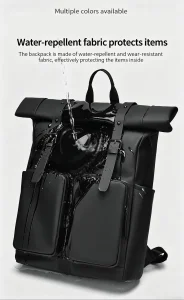
A laptop travel backpack is only as reliable as its water protection index. The standard specifies a minimum water-repellent rating of IPX4. This is achieved by using premium 1680D Ballistic Nylon or Oxford fabrics that have undergone multiple coats of polyurethane (PU) or thermoplastic polyurethane (TPU) backings. Zippers represent the most vulnerable leak vectors. To mitigate this risk, global manufacturers utilize reverse-coil, water-resistant zippers (often PU-coated) that close tightly, forming an environmental seal against particulate and moisture ingress.
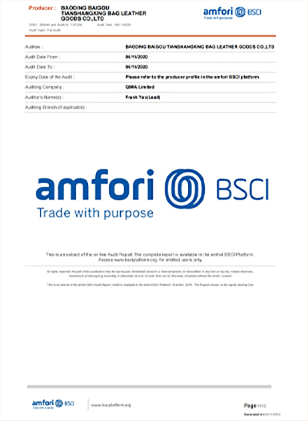
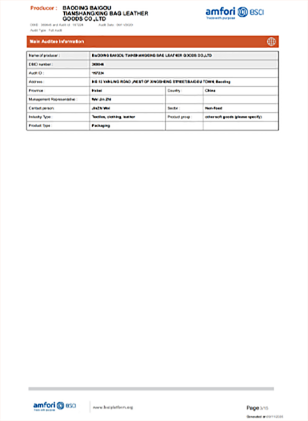
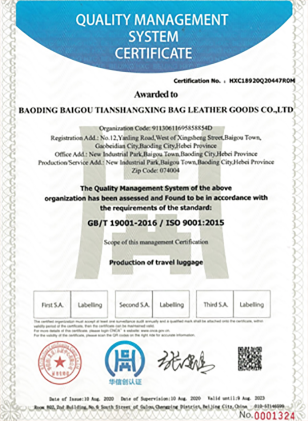
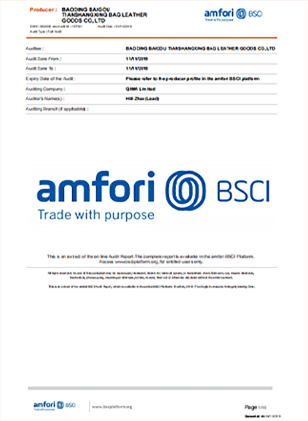
Our manufacturing processes are certified to ISO, BSCI, SGS, and other global standards, ensuring consistent quality management and product reliability. All production staff possess 5+ years of experience and complete a rigorous 72-hour OMASKA quality training program, uniting skill and discipline to uphold our reputation.

We carry out timed sampling and dedicated inspections across all production stages to promptly identify and resolve issues before they affect output.

Every product undergoes thorough manual checking by skilled inspectors, supported by a production team with 5+ years of experience and 72 hours of specialized quality training.






Corporate procurement is fundamentally different from consumer acquisition. While standard retail buyers focus on initial style parameters, global purchasing operations must evaluate total cost of ownership (TCO), material compliance profiles (such as REACH or RoHS in Europe, and Prop 65 in California), and shipping volume efficiency (container space utilization metrics).
Working with the top 10 travel backpack with laptop compartment manufacturers requires a structured procurement evaluation grid:
Logistical charges represent a substantial component of total acquisition cost. Modern professional backpack designs must incorporate features that reduce bulk volume. Many manufacturers employ compression packaging or smart nesting methods. Flat-pack design engineering ensures that backpacks with protective compartments can be compressed without bending the internal protective EVA sheets, maximizing the volume utilization of sea containers by up to 35%.
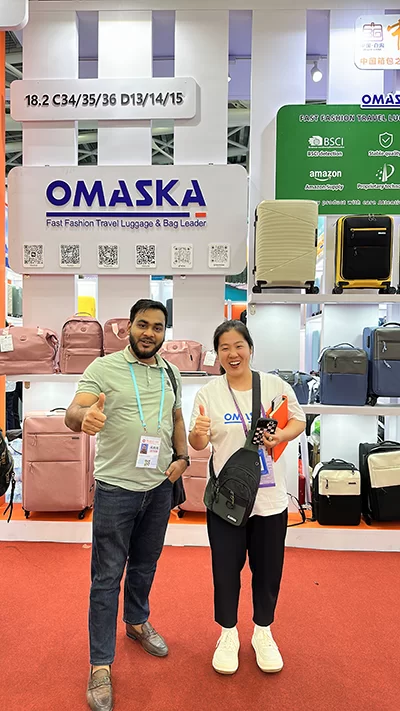
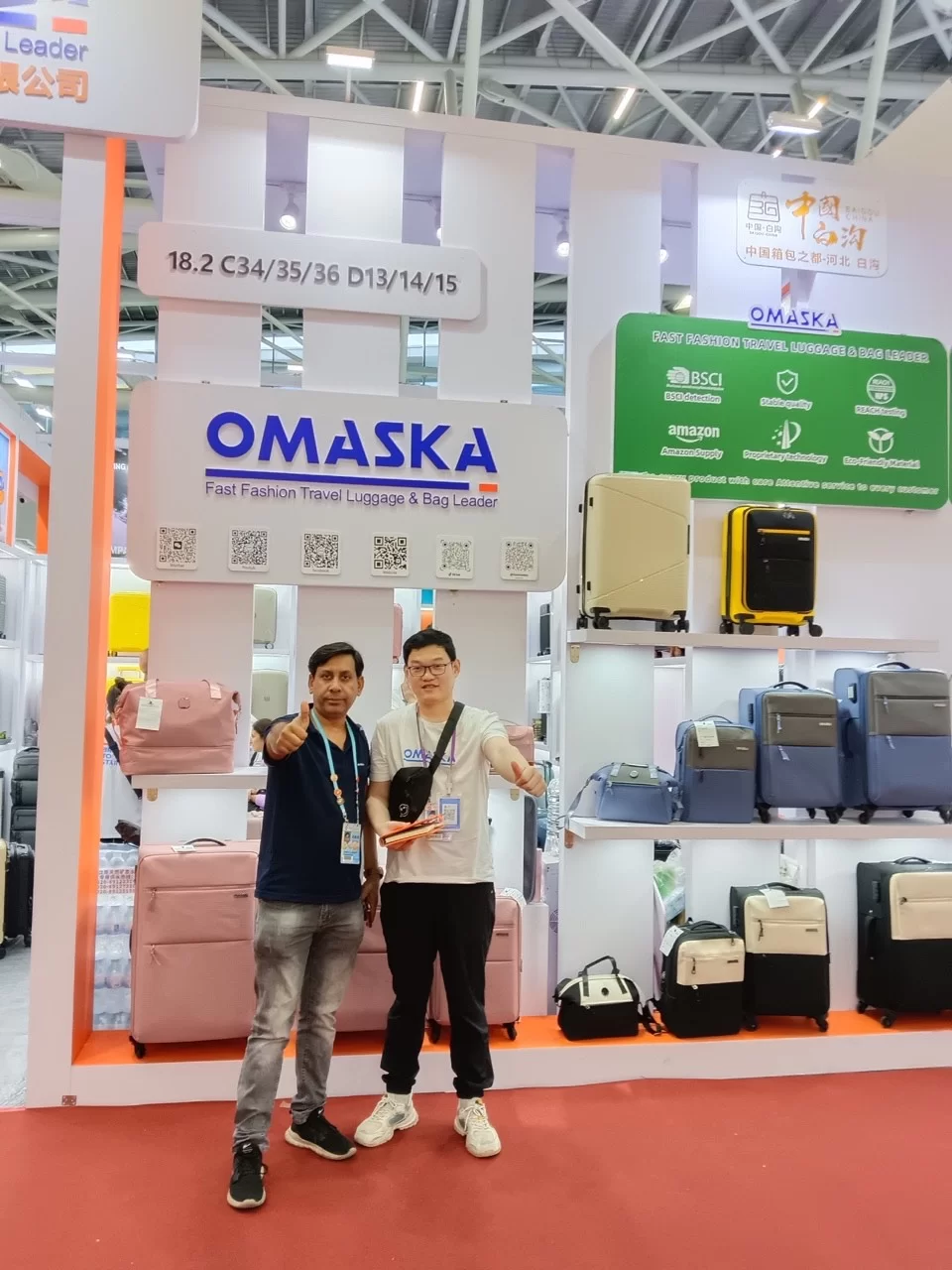
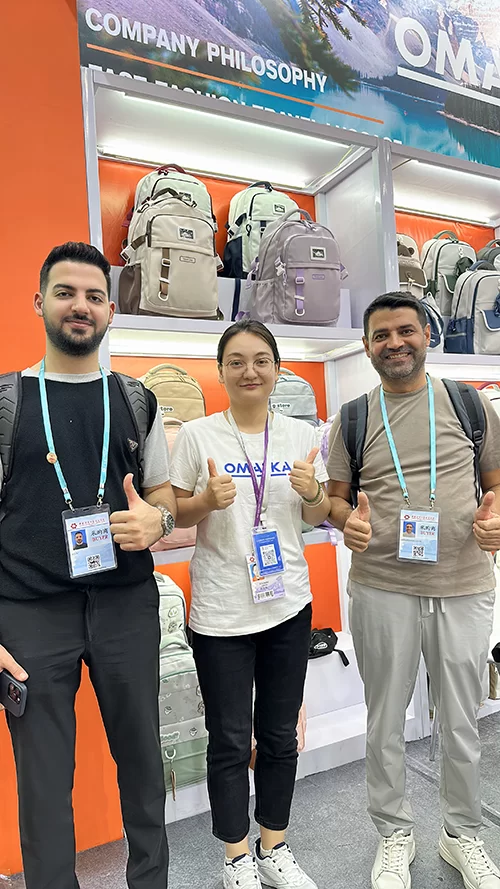
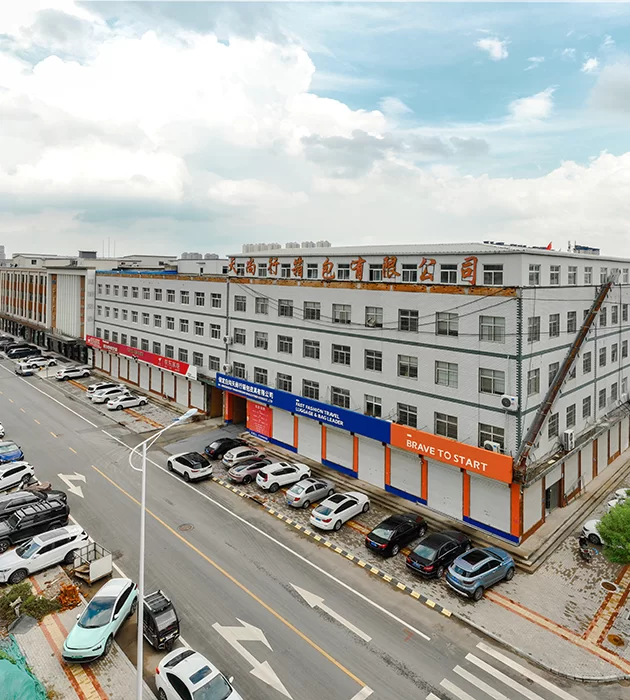
Behind the scenes at OMASKA: verified operations showcasing automated facilities and worldwide partner engagement.
The next decade of device transit will see the integration of smart electronics, circular sustainability, and ergonomic enhancements. Manufacturers that stay at the cutting edge of these developments will gain a distinct advantage in search and consumer purchase intent.
Future enterprise backpack designs will transition from passive containers to smart, connected hardware. Innovations include:
Global environmental mandates are driving a shift toward sustainable materials. Global corporate brands require products made with Post-Consumer Recycled (PCR) fabrics, such as ocean-bound plastics transformed into high-tenacity RPET polyester. Leading manufacturers are optimizing chemical processes to offer PFAS-free durable water-repellent (DWR) coatings, ensuring high-performance water protection that complies with environmental standards.
Essential procurement and engineering insights to help corporate buyers make informed sourcing decisions.
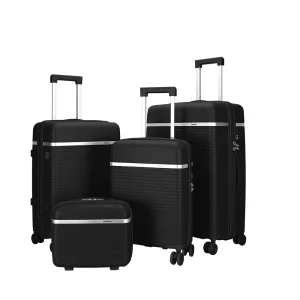
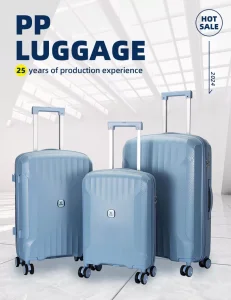
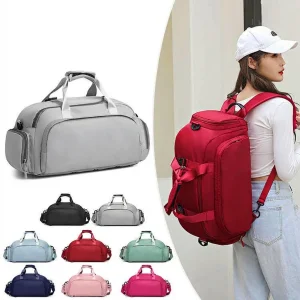
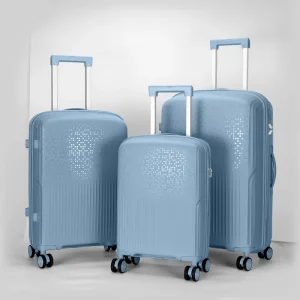
From anti-theft tech packs to heavy-duty polypropylene suitcases, explore our high-capacity solutions designed for global logistics.
 omaska