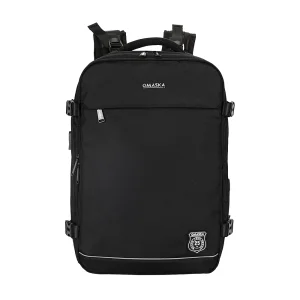
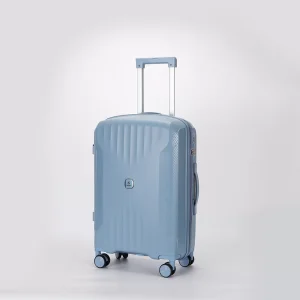
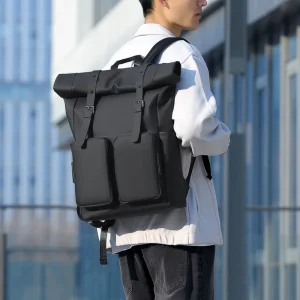
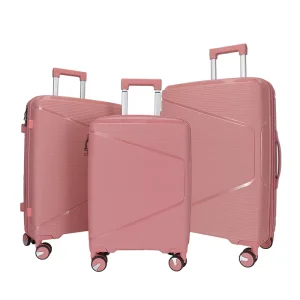
The global school backpack manufacturing landscape is transitioning from cost-driven manufacturing toward complex quality management. Modern consumer markets, driven by growing awareness of health and ergonomics, demand high compliance standards. No longer are school backpacks treated as simple canvas storage containers. Today, they are safety-rated load distribution devices designed to protect the structural development of the youth skeleton.
At the center of this transformation is CE Certification. In regions like the European Union and aligned territories, regulatory authorities enforce CE marking compliance. This verifies that backpacks meet essential health, safety, and environmental protection requirements. As key suppliers, manufacturers must operate advanced research labs to test load physics, fabric toxicity, and optical safety features.
In B2B purchasing cycles, compliance acts as a legal shield for global brand owners, logistics managers, and retail chain distributors. Importing non-compliant backpacks into highly regulated markets can lead to customs seizures, compliance audits, or public safety recalls. By partnering with certified OEM/ODM manufacturers, businesses can bypass these barriers and secure a stable supply chain.
CE Certification is not a single safety check. It is a comprehensive testing protocol checking mechanical strength, chemical safety, and physiological impact. Manufacturers must prove compliance across multiple sub-standards:
Additionally, modern CE testing incorporates DIN 58124 standards. Originally a German national specification, this standard has become a benchmark for high-quality school backpack construction. It dictates that at least 20% of the bag's visible surface area must feature fluorescent fabrics for daytime safety, while 10% must incorporate retroreflective materials to reflect vehicle headlights at night.
26 Years of Dedicated Research, Innovation, and Manufacturing Scale
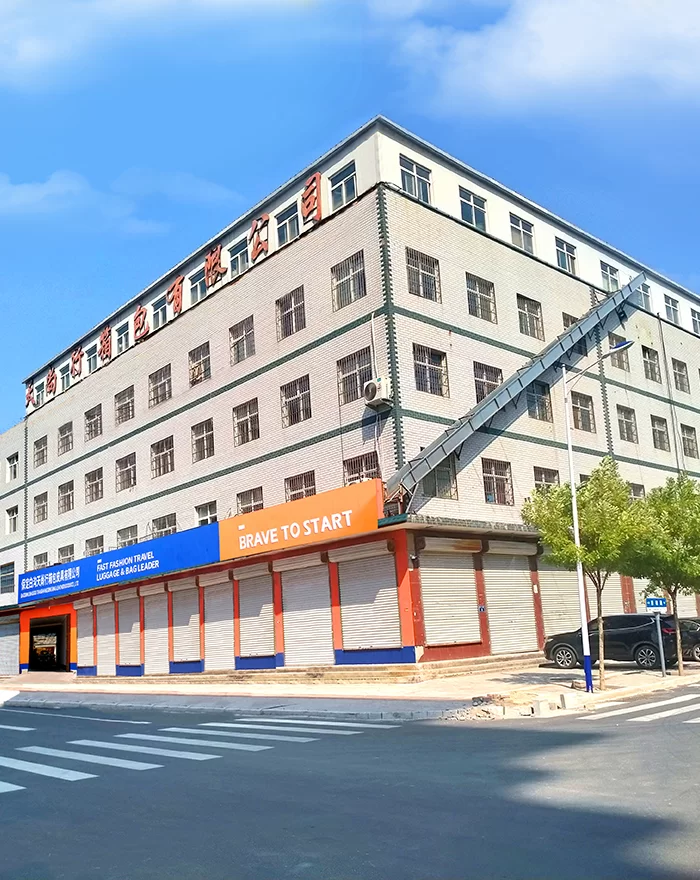
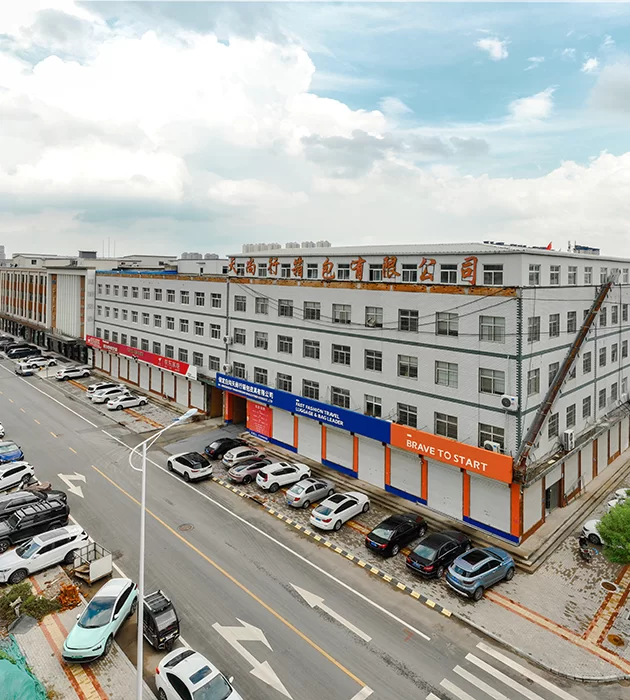
Throughout its 24-year development process, Tian Shangxing has always taken customer market demand as the guide for product research and production. We have successively registered brands such as Tianshang Xing, Inspur, Taya, Balmatik, Rolling Joy, OMASKA, etc. Among them, OMASKA is one of our main brands. As of now, OMASKA has successfully registered in more than 30 countries including the European Union, the United States, and Mexico, and established OMASKA sales agents and brand image stores in more than 10 countries.
Tian Shang Xing produces and ships according to customer requirements, providing you with a perfect experience of brand value and comprehensive product tracking services during both OEM and ODM processes. Tian Shangxing's dedication and focus have also won the trust of major clients. Tianshang will continue to deepen its cultivation of luggage products and become a creator of fast fashion travel luggage, committed to leading the innovative development of the luggage industry and bringing Baigou luggage to a larger stage in the world.
Choose OMASKA as your trusted partner for a seamless integration of innovation, quality, and reliability.





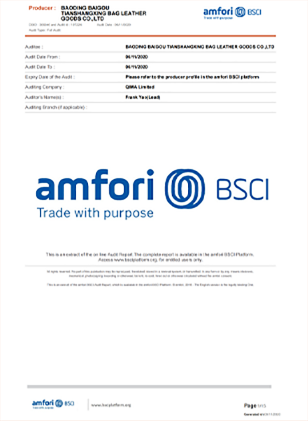
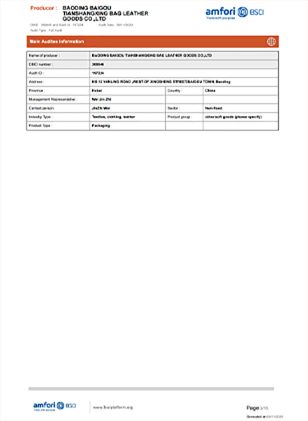
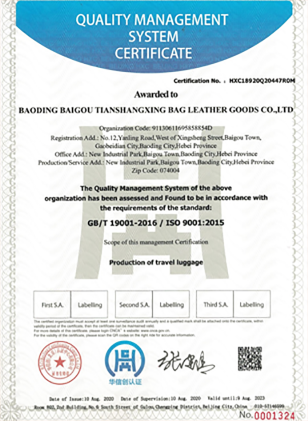
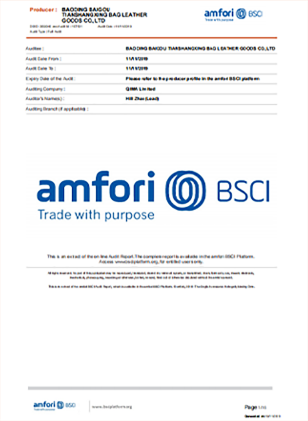
Every school backpack engineered by OMASKA undergoes a multi-stage, in-process quality control routine. Our manufacturing processes are certified to ISO, BSCI, SGS, and other global standards, ensuring consistent quality management and product reliability. Every batch of material—from reinforced buckles to waterproof zippers—is traceably logged inside our enterprise material planning interface.


Modern pediatric orthopedics recommends that a loaded school backpack should not exceed 10% to 15% of a student’s total body weight. Excessive load combined with poor load distribution can lead to spine compression, forward-leaning postures, and muscle strain. OMASKA's R&D department prioritizes ergonomic health when engineering backpack frame structures.
Our school bags feature an advanced weight distribution system. They are designed around anatomical principles to distribute weight away from the sensitive neck and shoulder muscles. Instead, the load is transferred down to the hips and pelvic bones, which are naturally structured to bear heavier loads.
Additionally, we conduct dynamic pressure map tests to optimize comfort. Using electronic sensor grids, we analyze contact points against a user's back to eliminate hotspots and ensure the load remains centered. This attention to detail ensures OMASKA backpacks provide orthopedic support for students.
Each global market presents unique purchasing requirements, custom safety expectations, and consumer preferences. As a seasoned B2B exporter, OMASKA tailors its OEM and ODM solutions to align with regional standards:
In addition to standard CE requirements, EU buyers prioritize environmental and chemical safety. Compliance with REACH is mandatory, meaning products must be free from harmful chemicals. In northern Europe, there is high demand for high-visibility retroreflective materials to keep students visible during dark winter mornings.
Backpacks destined for the United States must comply with the Consumer Product Safety Improvement Act (CPSIA). This means all materials must undergo rigorous testing for lead, heavy metals, and phthalate levels. Buyers also require durable plastic hardware and tear-resistant bottom panels to withstand daily wear and tear.
In hot and humid climates, lightweight construction and breathability are key. High-density nylon is preferred for its natural water-resistant properties, while quick-dry materials help prevent mold and mildew during rainy seasons.
As the luggage and backpack industry moves toward circular production, OMASKA is investing in sustainable manufacturing. Our research focuses on two main goals: using smart electronics and adopting eco-friendly circular polymers.

We are integrating recycled PET (rPET) fabrics made from post-consumer plastic bottles into our main product lines. By using recycled materials, we help reduce ocean plastic waste and lower the carbon footprint of our manufacturing process.
Looking ahead, we are exploring smart functional upgrades for the next generation of school bags. This includes testing smart GPS tracking pockets, integrated solar-charging panels, and built-in active LED lighting systems to improve safety during nighttime commutes.
Reshaping Quality, Defining New Standards for Travel Luggage & School Backpacks
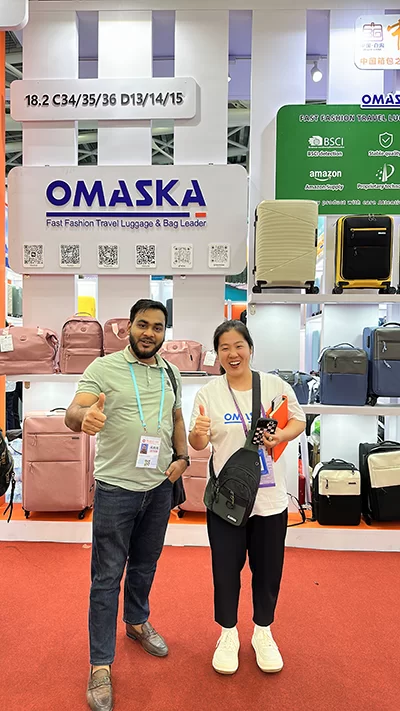
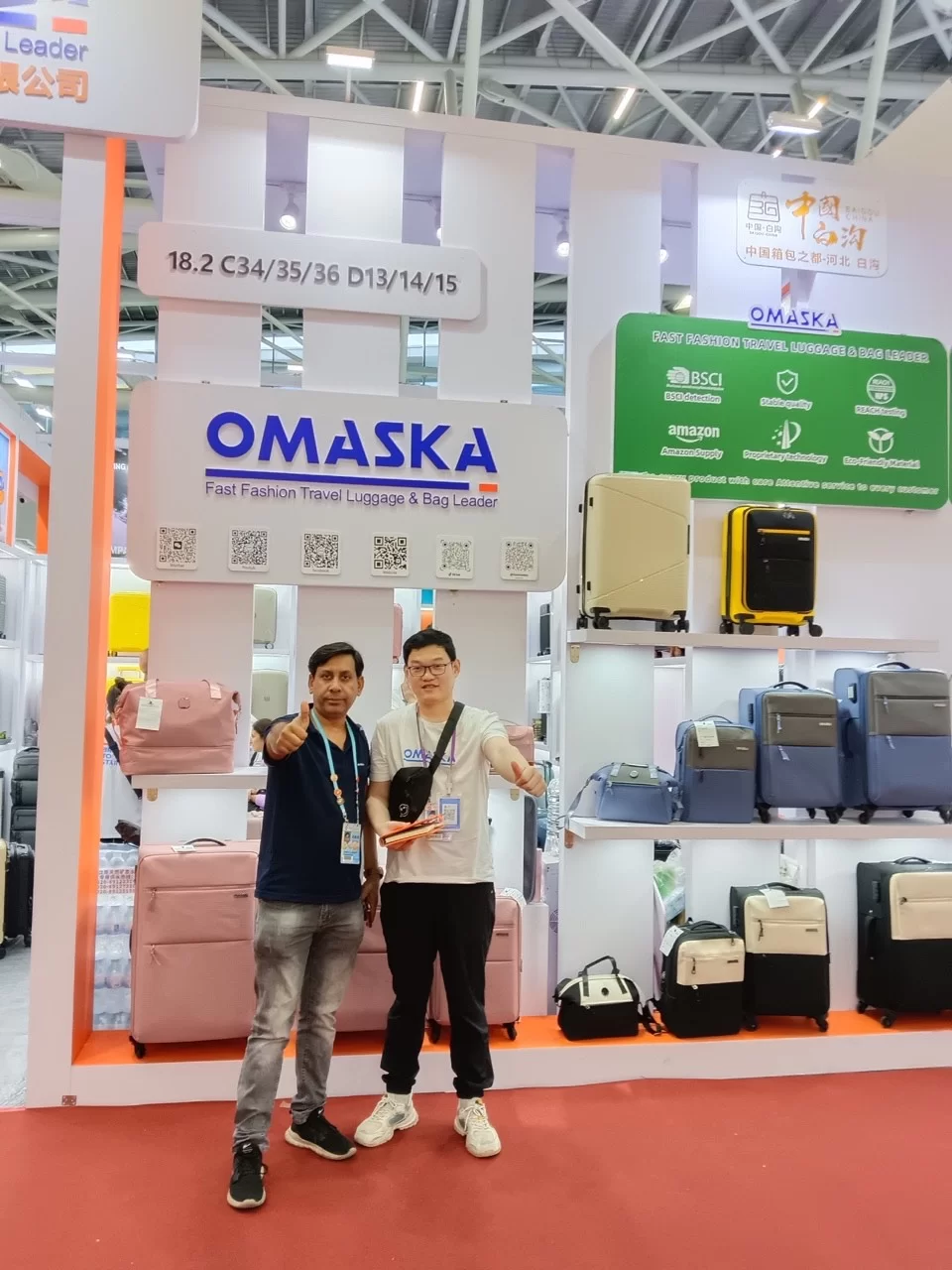
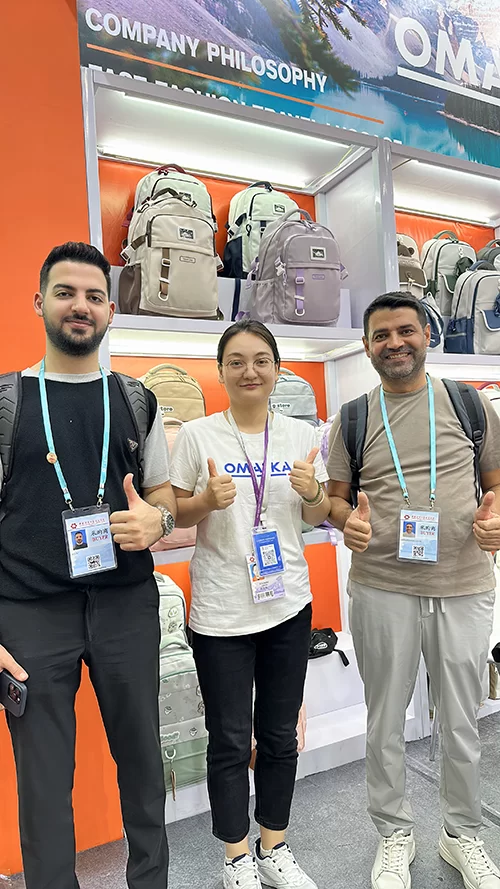
International Product Exhibitions
Dedicated Engineering Team
Quality Verification Process
We work with international testing laboratories to ensure all manufacturing runs comply with global B2B supply standards.


Expert Answers for Professional Sourcing Managers & Wholesale Importers
 omaska