As the travel landscape evolves, the demand for an optimal weekend travel backpack grows. Recent reports indicate that the global backpack market is projected to reach USD 17.6 billion by 2026, showcasing a significant rise in consumer interest. This shift reflects an increasing appreciation for practicality and comfort in travel gear. Weekend travelers seek lightweight options without compromising style or durability.
Innovative designs and eco-friendly materials are becoming crucial trends in backpacks. Studies show that 72% of consumers prefer sustainable products. This change is not merely a trend but a necessity as travelers become more environmentally conscious. A weekend travel backpack must balance functionality with aesthetic appeal to meet diverse preferences.
While many backpacks claim to be the best, real-world use often reveals shortcomings. Issues like strap comfort and storage organization can hinder a travel experience. Thus, the need for thorough evaluation when selecting the perfect backpack is essential. Understanding these trends and challenges can lead to informed decisions when choosing the ideal weekend travel companion.
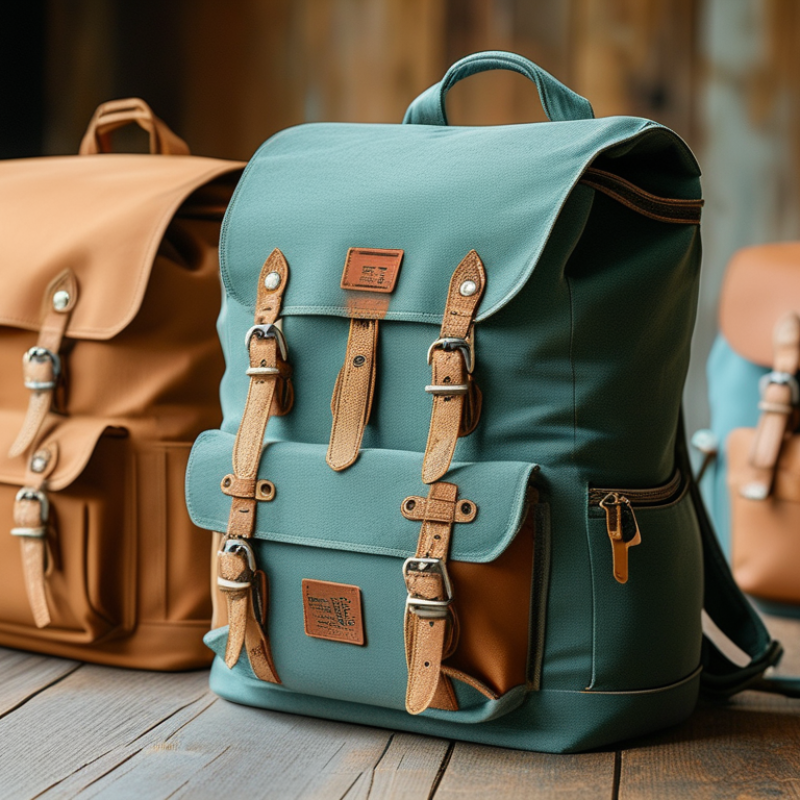
As we look ahead to 2026, weekend travel backpacks will continue to evolve. The focus on functionality and comfort remains paramount. According to industry forecasts, the global travel backpack market is projected to grow at a CAGR of 5.6% from 2023 to 2030. This growth highlights the increasing demand for practical designs tailored to travelers’ needs.
Key features to consider include weight distribution, material durability, and organizational compartments. A well-designed backpack should ideally weigh less than 3 pounds. This is essential for extended comfort. Many new models introduce modular systems, allowing users to customize storage options. Room for hydration packs, quick-access pockets, and tech-friendly compartments is also crucial.
Moreover, sustainability is on many travelers' minds. Reports suggest that 73% of consumers prefer eco-friendly products. Hence, choosing a backpack made from recycled materials is not simply trendy; it reflects a growing awareness of environmental impact. While these advancements enhance usability, travelers should also reflect on the balance between style and functionality. Some appealing designs may sacrifice practicality, making it vital to evaluate your personal needs.
As we look to the future of backpack design, innovative materials play a crucial role. In 2026, sustainability will be at the forefront of consumer preferences. Recent industry reports indicate that 70% of travelers prioritize eco-friendly materials when purchasing travel gear. This shift reflects a growing awareness of environmental impact. Recycled plastics and natural fibers are gaining traction. These materials not only reduce waste but also offer durability.
While innovation is exciting, challenges remain. Designing sustainable products often increases production costs. Some manufacturers struggle to balance sustainability and affordability. This tension can lead to questions about the accessibility of eco-friendly backpacks. Additionally, many consumers may still hesitate to fully trust green claims due to past “greenwashing” issues. Transparency in production processes is essential to rebuild trust.
Another key trend is the incorporation of innovative technologies. Smart fabrics that adapt to weather changes can enhance user comfort. Yet, integrating technology into backpack designs may complicate recycling at the end of their life cycle. Awareness of these complexities is crucial. The future of backpack design must address both innovation and sustainability without sacrificing one for the other.
When exploring weekend travel in 2026, certain backpack styles are gaining attention. Minimalist designs are becoming increasingly popular. These backpacks focus on functionality, often featuring sleek lines and few embellishments. The goal is to offer a clean aesthetic while maximizing space for essentials.
Sustainable materials play a vital role in 2026 designs. Eco-friendly fabrics are not just a trend; they represent a shift in consumer awareness. Many travelers now prioritize their environmental impact. This shift forces brands to rethink materials and production processes. However, consumers must often weigh the cost against the benefits. It can be a challenge to find a balance between sustainability and affordability.
Color choices are leaning towards earth tones and muted shades. These colors create a sense of calm and blend with nature. Yet, some options seem uninspired and may not stand out in a crowd. Bright colors still have their place, appealing to those who want to make a statement. Ultimately, personal preference will guide these decisions, but it's essential to reflect on what truly resonates with your travels.
The rise of tech integration in travel backpacks is transforming how we explore the world. Modern travelers expect more than just storage; they seek functionality that's seamless with their digital lives. Smart features are now commonplace. Built-in USB charging ports are essential for ensuring devices stay powered on long journeys. This practical addition caters to the needs of today's tech-savvy individuals.
In 2026, expect to see backpacks with advanced features like Bluetooth connectivity and GPS tracking. These innovations offer peace of mind, especially in unfamiliar places. Imagine locating your backpack with a simple app on your phone. However, the complexity of technology can also lead to potential failures. Battery issues or connectivity problems can arise when least expected, forcing travelers to rethink their reliance on gadgets.
Eco-friendly materials are becoming popular, yet integrating tech with sustainability presents challenges. Balancing durability and functionality with environmental consciousness is key. Travelers may find themselves reflecting on their choices. Is it worth compromising eco-friendliness for technological advances? These evolving trends invite ongoing discussions about what features truly enhance our travel experiences while remaining mindful of our planet.
When considering a weekend travel backpack for 2026, pricing is a crucial aspect. The market is expecting a range of options, from budget-friendly to premium models. Buyers may feel overwhelmed by the variety. Typically, you can find decent quality backpacks priced between $50 and $150. However, investing a bit more might improve durability and comfort.
It's essential to evaluate your needs. A simple weekend trip could require a smaller pack. Look for multifunctional designs that can adapt to your activities. High-quality materials usually last longer, making them worth the investment. Check for warranties or guarantees, as they reflect the manufacturer's confidence in their products.
Additionally, consider second-hand options. Thrift stores or online marketplaces often have gently used backpacks. This could save significant money while allowing you to find unique designs. Always inspect for quality signs, such as wear or damage. It’s a mix of opportunity and caution. Balancing quality with cost can lead to the perfect travel companion for your adventures.
: Focus on weight distribution, material durability, and organizational compartments. Comfort is key for longer trips.
Ideally, it should weigh less than 3 pounds for extended comfort during travel.
It reflects a growing awareness of environmental impact. Many travelers now prefer eco-friendly materials.
Recycled plastics and natural fibers are gaining traction, as they reduce waste and offer durability.
Yes, you can find quality backpacks priced between $50 and $150. Higher investments often mean better durability.
Always inspect for quality signs like wear or damage. Look for unique designs but remain cautious.
Innovative materials can enhance durability but may increase production costs and complicate recycling processes.
Yes, some manufacturers struggle to balance both aspects, which can influence product accessibility.
Smart fabrics that adapt to weather can improve comfort but might complicate recycling at the backpack's end.
Consider the type of trips you'll take and look for multifunctional designs that fit various activities.
As we look ahead to 2026, the trends in weekend travel backpacks are evolving, focusing on essential features that enhance travelers' experiences. Key features to consider include ergonomic designs for comfort, adjustable compartments for better organization, and lightweight materials that do not compromise durability. Sustainability is significant, with innovative materials being utilized in backpack construction, reflecting a growing awareness of environmental impacts.
The aesthetics of weekend travel backpacks are also changing, embracing popular styles that combine functionality with fashion. In addition, tech integration is becoming increasingly prevalent, with features like built-in charging ports and anti-theft designs for safety. Budget considerations remain important, as many options are available that ensure quality and style without breaking the bank. Overall, when selecting a weekend travel backpack in 2026, balancing functionality, sustainability, and price will be key to finding the perfect match for your travel adventures.

omaska