Choosing the right waterproof dry bag backpack is more complex than checking a product label. Global buyers face different climates, transport systems, work conditions, and customer expectations. A bag used on a rainy motorcycle commute needs different features from one carried on a kayak, hiking trail, or coastal job site.
This guide examines ten practical waterproof dry bag backpack types for international purchasing decisions. It compares roll-top closures, welded seams, coated fabrics, shoulder systems, storage layouts, and load capacity. Each design has clear strengths and possible weaknesses. A lightweight model may improve comfort but reduce abrasion resistance. A heavily reinforced bag can protect equipment better, yet feel tiring during long walks. Small details matter. Buckles freeze. Zippers collect sand. Shoulder straps can rub after several hours.
The discussion also considers material quality, manufacturing consistency, packaging, supplier communication, and realistic waterproof claims. Laboratory ratings are useful, but daily handling can expose problems that controlled tests miss. Buyers should request samples, inspect seams, test closure systems, and confirm product specifications before placing large orders. Certification and regional requirements should also be checked with qualified professionals, because market rules vary.
No single waterproof dry bag backpack suits every buyer. That is the uncomfortable part. Product selection often involves compromise. By understanding these ten categories, importers, distributors, retailers, and outdoor users can make more reliable comparisons and avoid paying for features they may never use. Practical judgment still matters.
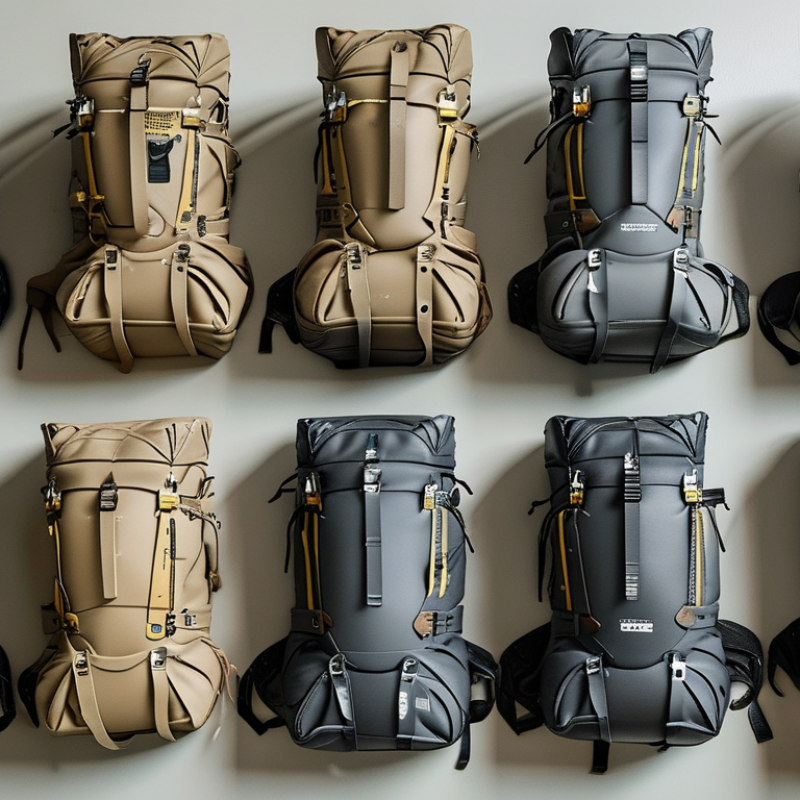
A waterproof dry bag backpack is more than a backpack made from shiny fabric. It is a carrying system designed to limit water entry during rain, splashes, and brief immersion. Its protection usually depends on coated fabric, sealed seams, and a reliable roll-top closure. Each part matters. A strong fabric cannot compensate for a weak opening.
A practical dry bag backpack should close above the stored contents, with several tight rolls before its buckle is fastened. Welded or carefully sealed seams reduce leakage around stress points. However, “waterproof” is not always permanent. Abrasion, sharp rocks, repeated folding, and damaged coatings can weaken protection. I have found that a bag may stay dry in heavy rain but fail after careless packing. Small details matter.
The backpack also needs usable support. Padded shoulder straps, a stable back panel, and adjustable chest or waist straps help distribute wet equipment safely. Capacity should match the activity, not just the product label. A compact bag may suit a short coastal walk, while a larger design may hold clothing, food containers, and emergency layers. Yet extra space can encourage overpacking and strain the seams. No design is perfect. Before purchase, global buyers should check closure quality, seam construction, material thickness, carrying comfort, and tested water-resistance claims. Vague promises deserve caution.
The Top 10 Waterproof Dry Bag Backpack Types serve different travel and work conditions. A roll-top commuter pack suits daily rain and crowded trains. A kayak dry bag emphasizes buoyancy, welded seams, and quick access. A hiking model needs padded straps, a supportive back panel, and balanced weight. A cycling pack should stay narrow and stable during fast movement. A motorcycle dry bag usually offers compression straps and abrasion-resistant fabric.
A sailing pack often includes reflective details and a secure closure for spray-heavy decks. A camera dry bag uses soft dividers and careful padding around delicate equipment. A laptop dry backpack needs a raised sleeve, organized pockets, and reliable zipper protection. An ultralight model reduces fabric and hardware weight, but may sacrifice durability. An expedition pack provides larger capacity, reinforced attachment points, and stronger roll-top buckles.
In field checks, I inspect the seam welds, closure design, strap stitching, and base protection before testing capacity. TPU-coated fabric feels flexible, while heavier coated fabric can resist rough ground better. No bag is magic. A careless fold can still let water inside. Many buyers focus on waterproof fabric, yet comfort matters after several hours. I once preferred the lightest option, then regretted its thin shoulder straps on a long walk. Check the intended activity, load weight, climate, and repair options before choosing among these ten types.
Waterproof dry bag backpacks come in several practical forms, including roll-top daypacks, cycling packs, kayak packs, hiking packs, and larger duffel-style designs. Materials strongly affect durability. TPU-coated nylon feels lighter and more flexible, while PVC offers thicker abrasion resistance. Polyethylene fabrics can perform well, but they may feel stiff in cold weather. Welded seams usually provide better protection than ordinary stitched seams.
Closure systems deserve careful inspection. A roll-top closure needs at least three folds before buckling securely. Zip closures offer faster access, but damaged teeth can compromise the entire bag. Buckle systems are simple and reliable, especially with wet hands. Waterproof ratings also require careful reading. An IP rating may describe a component, not the complete backpack. Hydrostatic-head measurements can better indicate fabric resistance, while welded construction helps prevent seam leakage.
Tips: Test the backpack with dry paper inside for ten minutes. Check the base, seams, and closure separately. Do not trust a high rating alone. Real use is messier. A bag may survive heavy rain but fail after repeated folding. I have found comfort straps and back ventilation equally important during long trips. A fully waterproof bag can still become unpleasant when sweat collects inside. Inspect buckles regularly, and avoid overpacking because tension can pull open the closure.
| No. | Backpack Type | Typical Material Construction | Closure System | Waterproof Rating / Test Basis | Typical Capacity | Typical Weight | Best-Fit Applications |
|---|---|---|---|---|---|---|---|
| 1 | Roll-Top Dry Bag Backpack | 500D or 600D PVC-coated polyester; high-frequency welded seams | Three to five top rolls secured with a side-release buckle | Heavy-rain and splash protection; commonly tested around 10,000–20,000 mm hydrostatic head | 20–40 L | 0.65–1.10 kg | Commuting, hiking, boating, travel |
| 2 | TPU-Coated Lightweight Dry Backpack | 210D–420D nylon or polyester with thermoplastic polyurethane coating | Roll-top closure with adjustable compression straps | Rainproof when properly closed; typical fabric hydrostatic head of approximately 5,000–15,000 mm | 15–30 L | 0.35–0.75 kg | Ultralight hiking, cycling, day travel |
| 3 | Welded PVC Utility Dry Backpack | Tarpaulin-grade PVC, generally 0.5–0.8 mm thick, with welded seams | Roll-top with reinforced buckle and carry handle | Very high water resistance for rain and surface spray; welded construction generally exceeds fabric seam protection | 25–60 L | 1.00–1.80 kg | Marine work, fishing, construction, outdoor equipment transport |
| 4 | Seam-Taped Nylon Dry Backpack | 420D–840D nylon with polyurethane coating and internally taped seams | Roll-top or fold-over top with hook-and-loop or buckle retention | Rainproof to shower-resistant; typical fabric hydrostatic head of approximately 3,000–10,000 mm | 18–35 L | 0.55–1.00 kg | Travel, trekking, school, urban commuting |
| 5 | Submersible Dry Bag Backpack | Heavy-duty PVC or TPU-laminated fabric with fully welded seams and reinforced base | Roll-top closure with multiple locking folds and reinforced buckle | Designed for brief accidental immersion when correctly sealed; submersion performance should be verified by supplier testing | 20–40 L | 0.90–1.60 kg | Kayaking, rafting, canyoning, expedition use |
| 6 | Dry Bag Backpack with Waterproof Zipper | Coated polyester or nylon with welded or taped seams; waterproof zipper track | Waterproof zipper, often combined with a storm flap | High rain and splash resistance; zipper performance depends on correct closure and compression | 15–30 L | 0.70–1.30 kg | Urban use, cycling, photography, mixed-weather travel |
| 7 | Clear-Panel Dry Backpack | Transparent TPU or PVC panel combined with coated polyester or PVC body fabric | Roll-top buckle closure or waterproof zipper | Rainproof to splash-resistant; transparent panels require reinforced seams to maintain water protection | 15–35 L | 0.75–1.40 kg | Water parks, festivals, beach activities, visual-content transport |
| 8 | Dry Backpack with Removable Harness | 500D PVC or TPU-laminated fabric with detachable padded shoulder harness | Roll-top closure with compression straps and detachable sternum belt | High water resistance; welded body seams can provide stronger protection than stitched-only construction | 25–55 L | 1.00–1.90 kg | Expeditions, overland travel, outdoor gear hauling |
| 9 | Dry Backpack with External Pockets | Waterproof main compartment in coated fabric with mesh, zipper, or covered external pockets | Roll-top main opening; external pockets may use zippers or buckle flaps | Main compartment may be fully rainproof; external pockets are often only water-resistant unless separately sealed | 20–35 L | 0.65–1.20 kg | Commuting, cycling, hiking, daily outdoor use |
| 10 | Insulated Waterproof Cooler Backpack | PVC or TPU outer shell, closed-cell foam insulation, and heat-sealed waterproof liner | Water-resistant zipper, roll-top, or buckle flap depending on design | Waterproof main compartment with leak-resistant liner; zipper models generally require careful closure for maximum protection | 15– thirty-five L | 0.80–1.80 kg | Picnics, fishing, food delivery, beach and camping use |
Choosing among the top 10 waterproof dry bag backpack types starts with the user’s environment. A roll-top daypack suits commuting and light rain. A welded dry backpack fits kayaking and sudden immersion. Lightweight paddling packs reduce fatigue. Expedition packs offer stronger straps and larger capacity. Cycling pannier-backpacks support mixed road travel. Camera dry packs protect sensitive equipment. Fishing packs need easy-clean interiors. Canyoning packs require abrasion resistance. Motorcycle touring packs need stable compression. A compact emergency pack works for short outdoor trips.
The Outdoor Industry Association reported 175.8 million American outdoor participants in 2023. This growth reflects wider demand for adaptable outdoor equipment. However, participation data does not prove every pack performs equally. Look for welded seams, a dependable roll-top closure, and reinforced stress points. ISO 811 testing can indicate fabric water resistance, but it does not fully measure real-world backpack performance. Field testing still matters. A bag may survive rain yet fail after repeated loading. Capacity should match the activity, not personal optimism.
Tips: Choose 10–15 liters for daily essentials, 20–35 liters for day trips, and larger sizes for multi-day travel. Check whether the back panel stays comfortable when wet. Test the closure with folded clothing inside. Leave some capacity unused. Overpacking weakens comfort and closure reliability. I once selected a pack mainly for its waterproof rating, then regretted its poor ventilation during a long, humid hike. That detail deserves more attention.
Global buyers should evaluate waterproof dry bag backpacks by use case, not appearance. Roll-top packs suit rain-heavy travel and boating. Zip closures offer faster access but demand tighter quality control. Submersible designs need welded seams, coated fabric, and tested closure pressure. Lightweight urban versions may protect electronics during brief showers. Not diving equipment.
During sourcing, request fabric weight, coating composition, seam method, and tolerance ranges. Ask for production samples from the same material lot. A glossy sample can hide weak corners. Inspect shoulder strap bartacks, buckle alignment, base abrasion, and seam consistency. Run a practical test: place dry paper inside, close the bag, and spray it from several angles. For stronger verification, use controlled immersion and record time, depth, closure position, and leakage points. Photographs help, but they do not replace physical inspection.
Reliable suppliers should provide repeatable reports, traceable batches, and clear corrective actions. Check odor, color transfer, stitching tension, and dimensions before shipment. A small failure matters. One loose thread may become a torn seam after repeated loading. Field checks often show buyers overvalue waterproof ratings while ignoring comfort and repairability. That deserves reconsideration. A backpack can pass a laboratory test yet feel unstable on a crowded train. Include user feedback, return data, and seasonal weather conditions in the final comparison.
Typical commercial capacity by application, based on common outdoor, travel, commuting, and professional-use specifications.
Larger-capacity designs are generally selected for expedition, sailing, and extended travel, while compact models are preferred for commuting, cycling, and camera protection. Global buyers should verify roll-top closure performance, welded seams, TPU or PVC-coated fabric, buckle durability, abrasion resistance, and water-entry test results before sourcing.
: A roll-top commuter pack works well for rain, crowded trains, and everyday carrying. Choose padded straps and organized pockets. Comfort still matters.
A kayak pack should have welded seams, a secure closure, and quick access. Buoyancy can help, but no bag is completely foolproof.
Look for padded shoulder straps, a supportive back panel, and balanced weight distribution. Thin straps may hurt after several hours.
A cycling pack should remain narrow and close to your body. Stable straps reduce movement during faster rides.
TPU-coated nylon feels flexible and light. PVC usually handles rough contact better. Some polyethylene fabrics feel stiff in cold weather.
It can provide strong protection when folded correctly. Make at least three folds before buckling. A careless fold may let water inside.
No. A rating may describe one component, not the entire backpack. Inspect the seams, base, closure, and construction together.
Place dry paper inside for ten minutes. Check the seams, base, and closure separately. Real use is messier.
A waterproof pack can still feel unpleasant when sweat collects inside. Check ventilation, strap stitching, load weight, and shoulder support.
Yes. Excess tension may pull open the closure or strain the stitching. Leave some space for easier folding and safer carrying.
A waterproof dry bag backpack is designed to keep personal gear protected from rain, splashes, humidity, and brief water exposure while remaining comfortable to carry. This guide introduces ten practical types, including roll-top daypacks, expedition packs, cycling models, marine bags, camera carriers, laptop-friendly designs, and compact travel options. It explains how fabric choices, welded seams, coated construction, and closure systems influence durability and water resistance, while waterproof ratings help buyers compare performance for different conditions.
The article also shows how to select the right waterproof dry bag backpack for commuting, outdoor recreation, travel, water activities, or professional field use. For global buyers, it highlights important sourcing considerations such as consistent materials, reliable stitching or welding, load-bearing tests, zipper and buckle quality, packaging, labeling, and inspection procedures. Clear specifications and sample testing can help purchasers verify product performance, reduce quality risks, and choose dependable suppliers for different markets.

omaska