When choosing a work backpack, comfort and functionality are crucial. According to industry expert Mark Thompson, "A well-designed work backpack can make or break your productivity." His insight highlights the importance of selecting a bag that suits your daily needs.
A work backpack should effectively hold your essentials. It should also distribute weight evenly to prevent strain. Look for padded shoulder straps and a supportive back. These features can enhance comfort during long commutes. A spacious main compartment is essential for laptops and documents, while smaller pockets keep your items organized.
It's tempting to compromise on quality for cost. However, investing in a durable work backpack pays off in functionality. Inadequate backpacks can lead to wear, discomfort, and poor organization. Reflect on your daily routine and choose a bag that meets your specific needs. Prioritize comfort and usability to ensure a productive workday.
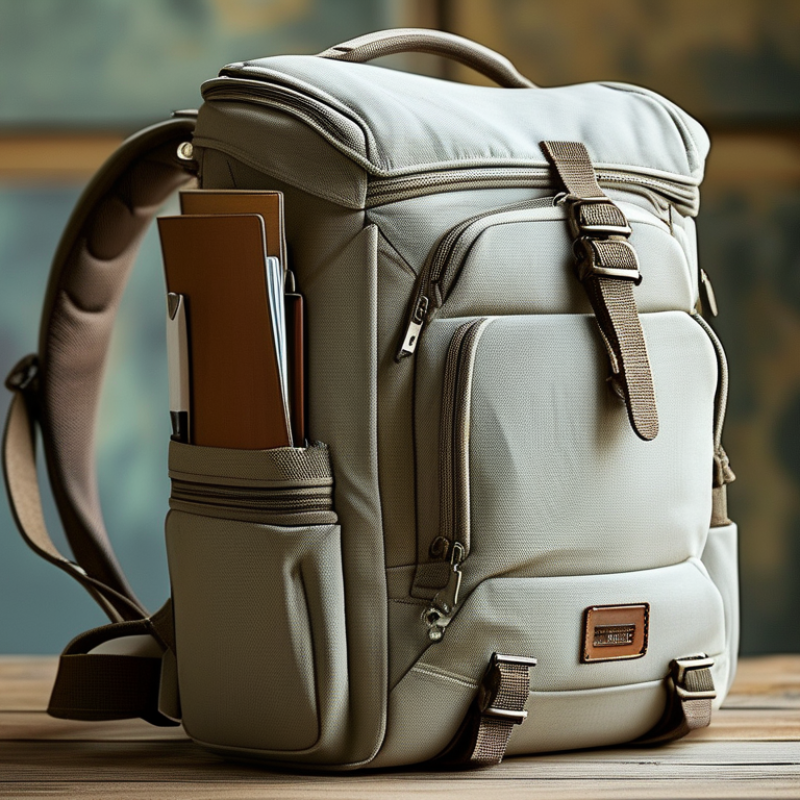
When selecting a work backpack, the material plays a critical role in balancing durability and comfort. According to a report from the American Society for Testing and Materials (ASTM), high-quality nylon and polyester are among the top materials used in professional backpacks. These fabrics offer excellent resistance to wear and tear while remaining lightweight. Many professionals prefer a blend of these materials for their strength and flexibility.
Breathability is another essential factor. Materials with good ventilation features help in regulating temperature, especially during long commutes. A study conducted by the Ergonomics Society revealed that backpacks with breathable mesh panels significantly improve comfort levels. Comfort is vital; discomfort can lead to distractions throughout the day. Seeking a material that provides flexibility while maintaining structure can make a huge difference.
In addition, waterproofing should not be overlooked. Materials treated with waterproof coatings protect your belongings from unexpected weather changes. Even so, some might find that waterproof fabrics can feel less breathable. It’s crucial to balance these features to suit personal needs. The right material can mean the difference between a comfortable day and an exhausting one. Each choice has potential drawbacks, and examining these can lead to a more informed decision.
Choosing the right backpack style is crucial for work efficiency. Different designs cater to various needs and styles. For instance, a sleek messenger bag offers easy access but may lack support for heavier loads. A traditional backpack, on the other hand, can evenly distribute weight and provide comfort during long commutes. When selecting a backpack, consider how it aligns with your daily routine and work environment.
To enhance comfort and functionality, look for backpacks with adjustable straps. Properly adjusted straps prevent back strain. Padded compartments are essential for protecting devices like laptops and tablets. Also, ensure the backpack has enough pockets for organization. This helps you avoid rummaging through the bag during busy workdays.
Reflect on your daily usage and take note of any discomfort. If you find yourself frequently shifting your backpack, it may not be the right fit. A well-chosen backpack can make a significant difference in how you feel at work. Consider materials that are durable yet lightweight. It’s worthwhile to invest time in finding a backpack that truly meets your needs.
When choosing a work backpack, several essential features can enhance comfort and functionality. Look for ergonomic support. A well-padded back panel can reduce strain during long commutes. According to the American Chiropractic Association, nearly 80% of adults experience back pain at some point. A good backpack can mitigate this issue.
Storage capacity is equally important. Ensure the backpack has multiple compartments. These pockets can help organize your items. A survey by the Bureau of Labor Statistics shows disorganization can lead to a productivity drop of up to 25%. A cluttered bag may sabotage your efficiency.
Water resistance is another feature to consider. Many professionals work in varied conditions. A waterproof material can protect your equipment. However, finding a balance between durability and weight is crucial. Heavy backpacks can cause fatigue over time, affecting overall work performance. Think critically about your needs. Prioritize comfort, but remain mindful of excess weight.
Packing your backpack efficiently can drastically improve your daily commute. Start by using packing cubes. They help separate items, making it easier to find what you need quickly. A laptop sleeve is essential for cushioning your device, but it should also provide easy access. Consider placing frequently used items like your water bottle in external pockets. This keeps you organized and saves time.
Organization extends beyond just packing. Use designated compartments for different categories. For example, keep electronics in one area and snacks in another. This method not only helps in locating items but also prevents them from getting tangled or damaged. You may find some pockets ineffective. Reflect on how to adjust for better accessibility next time.
Lastly, regularly reassess what you carry. Are there items you rarely use? Pare down your essentials. A lighter backpack is easier to carry but still functional. Packing is often a trial-and-error process. Learn from what feels cumbersome or awkward to carry. Strive for a well-organized backpack that meets your needs without excess burden.
When selecting a work backpack, adjusting straps and padding is crucial for your comfort. Many people overlook the importance of these adjustments. According to a study from the American Physical Therapy Association, around 80% of adults experience back pain at some point. Ill-fitting backpacks can exacerbate this issue.
Properly adjusted shoulder straps distribute weight evenly. Consider a design that allows for custom fitting to your body. Padded straps can alleviate pressure points. Research indicates that backpacks with adjustable padded straps reduce strain by up to 30%. If straps are too tight, circulation can be restricted. When too loose, the backpack may shift and lead to discomfort.
Padding isn’t just for the straps. The back panel should also be well-cushioned. A contoured design can support the natural curve of your spine. This support can decrease fatigue during long commutes or workdays. Studies suggest that ergonomic designs can improve posture, enhancing overall productivity. Reflect on your current backpack setup. Is it serving your comfort and health needs effectively?
: High-quality nylon and polyester are excellent choices for durability. They resist wear while being lightweight.
Breathable materials help regulate temperature. This is crucial during long commutes to maintain comfort levels.
Waterproof fabrics protect belongings but may feel less breathable. Balance is key to suit individual needs.
A traditional backpack evenly distributes weight, while a messenger bag offers easy access. Choose based on your routine.
Properly adjusted straps prevent back strain and enhance comfort during daily use.
Look for pockets to help organize items. This prevents hassle during busy workdays.
Reflect on your daily usage and note discomfort. You may need a different style or fit for better comfort.
Choose materials that provide flexibility while maintaining structure. This balance enhances comfort and functionality.
Yes, padded compartments protect electronics like laptops. They are essential for preventing damage during travel.
Invest time in testing different options. Finding the right backpack can significantly impact your daily comfort.
When selecting a work backpack, it is crucial to prioritize both durability and comfort by choosing the right materials, such as high-quality fabrics that withstand daily wear and tear. Understanding various backpack styles can significantly enhance functionality, as different designs cater to specific work needs, whether for commuting or fieldwork.
Essential features to consider in a work backpack include ample storage space, compartments for organization, and padding for protection. To maximize efficiency, implementing organization tips for packing can help maintain accessibility to necessary items. Finally, adjusting straps and ensuring proper padding not only enhances comfort but also provides optimal back support, making it easier to carry the load throughout the day.

omaska