When embarking on a hiking adventure, choosing the right gear is crucial, especially when it comes to a waterproof hiking rucksack. According to a survey by Outdoor Industry Association, over 75% of outdoor enthusiasts prioritize waterproof features in their rucksacks. This highlights the increasing demand for reliable gear that can withstand varied weather conditions.
Expert in outdoor gear, Richard Anderson, notes, "A quality waterproof hiking rucksack not only protects your belongings but also enhances your overall hiking experience." His insights emphasize the need for durability and functionality in today’s market. With brands competing to offer the best protection, choosing the right rucksack can be overwhelming.
Many hikers face challenges when selecting a waterproof hiking rucksack. It is easy to be swayed by marketing gimmicks, leading to potentially poor choices. Key factors include waterproof ratings, material quality, and fit. Reflecting on these aspects can significantly impact your outdoor experience, making it essential to weigh your options carefully.
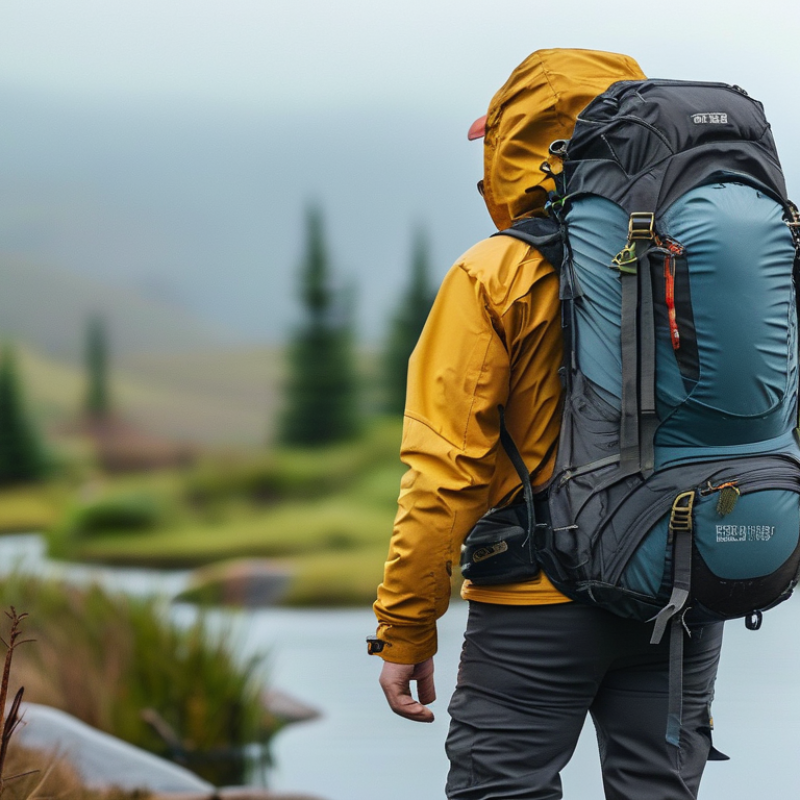
Choosing a waterproof hiking rucksack requires careful consideration of key features. Look for durable materials that can withstand harsh weather. High-quality nylon or polyester fabrics are often water-resistant and lightweight. Sealed seams can prevent water from seeping in during heavy rain.
Another important aspect is the rucksack’s waterproof rating. Check for an IPX rating; a higher rating indicates better water resistance. Additionally, consider the closure system. Roll-top designs can provide superior protection compared to standard zippers. Adjustable straps and hip belts can ensure a comfortable fit for long hikes.
Reflect on your carrying capacity needs. A rucksack that’s too big might lead to unnecessary weight, while one that’s too small may not carry all essentials. Look for external pockets for easy access to small items. Balancing size with functionality is key. Ensure you have enough pockets for organization but avoid clutter.
When choosing a waterproof hiking rucksack, understanding material durability is crucial. Numerous materials boast waterproof features, but not all meet high industry standards. The most common ratings are based on the hydrostatic head test, which measures water resistance. For instance, a rucksack with a rating of 1,500 mm can withstand light rain, while those rated at 5,000 mm or more are suitable for heavy downpours.
Different materials offer varying levels of durability and breathability. Nylon is lightweight and often treated with coatings that improve waterproof capabilities. In contrast, heavier fabrics like Gore-Tex provide exceptional waterproofing but at a higher cost. Reports indicate that rucksacks featuring multiple layers enhance water resistance but may add weight. It's worth noting that seams are potential weak points. Quality rucksacks usually employ taping techniques to seal these areas, further improving water resistance.
However, the balance between waterproofing and breathability can be challenging. Too much waterproofing may trap moisture inside, leading to discomfort. Users often need to evaluate their specific needs and the environments in which they will hike. Findings show that excessive waterproofing can detract from overall user experience. Thus, assessing your hiking conditions is essential when selecting a rucksack.
When choosing a waterproof hiking rucksack, understanding capacity is crucial. A small volume, around 20-30 liters, suits day trips. This size allows for essentials like water, snacks, and a first-aid kit. However, it can feel cramped for longer hikes. Overpacking is easy, and that can create discomfort. A too-small pack forces you to leave behind items that might become necessary.
For weekend trips, a 50-70 liter pack is ideal. It offers space for a sleeping bag, clothes, and cooking gear. Balancing weight and capacity becomes essential. A heavy rucksack can strain your back and hinder your adventure. Think about your needs before you fill it up. Remember, being efficient reduces weight.
For multi-day expeditions, packs exceeding 70 liters are often recommended. They hold everything needed for a longer trek. Yet, many hikers struggle with bulky loads. Finding the right balance is an art. Experimenting with packing methods can help. Reflecting on your experiences can lead to improved choices next time.
| Hiking Expedition Type | Recommended Volume (Liters) | Typical Duration | Essential Gear Examples |
|---|---|---|---|
| Day Hike | 20-30 | Up to 8 hours | Water, snacks, first-aid kit |
| Weekend Trip | 40-60 | 1-3 days | Tent, sleeping bag, cooking gear |
| Extended Backpacking | 60-80 | 4 days or more | Food supplies, water filtration, extra clothing |
| Overnight Climb | 30-50 | 1 night | Climbing gear, food, hydration system |
When selecting a waterproof hiking rucksack, comfort is key. The right fit can make or break your hiking experience. Look for adjustable straps that allow you to customize the fit to your body shape. Straps that are too tight can cause discomfort. Looser straps may lead to a lack of support. Aim for a balance that feels secure but not constricting.
Padding plays a crucial role in comfort during extended use. Look for padded shoulder straps and a cushioned back panel. This combination helps to distribute weight evenly. It reduces stress on specific points of your body. Yet, keep in mind that over-padding can add unnecessary bulk. You might find yourself struggling with extra weight. A well-padded rucksack can enhance comfort, but too much can be a hindrance.
Finally, consider the overall design of the rucksack. The fit should be snug yet allow for movement. An ill-fitting rucksack can cause chafing or fatigue. Take time to try on different packs, even if it feels tedious. Ensure that your choice supports your body well. A perfect fit is not always easy to find, but it is worth the effort for those long hikes.
When choosing a waterproof hiking rucksack, additional functionality can significantly enhance your outdoor experience. Look for pockets that are easily accessible. Side pockets can store snacks or a map, while zippered compartments keep valuables secure. A well-designed pocket layout helps you stay organized and reduces the time spent searching for items.
Hydration systems are another crucial factor. Many rucksacks come with reservoirs or built-in hydration bladders, allowing you to drink on the go. The convenience of a hydration tube makes frequent sips possible without stopping to fumble for a water bottle. Ensure the hydration system is easy to refill and clean.
Consider other features that add value. Some packs have built-in rain covers to provide extra protection in unexpected weather. Compression straps can help stabilize your load, making hiking more comfortable. Reflective elements increase visibility during low-light conditions. Each of these functionalities can make a difference in your hiking experience. It’s important to think about how each feature aligns with your personal hiking style and needs.
: It measures the water resistance of rucksacks. Higher ratings indicate better waterproofing.
A rucksack with a rating of 1,500 mm is suitable for light rain.
Materials like nylon are light and treated for waterproofing. Heavier fabrics offer better waterproofing but may be costly.
Seams can be weak points. Quality rucksacks often use taping to seal these areas.
Yes, excessive waterproofing may trap moisture inside, causing discomfort for users.
A 20-30 liter pack suits day trips, but it may feel cramped for longer hikes.
A 50-70 liter pack is ideal, balancing weight and space for gear like sleeping bags.
Packs over 70 liters are recommended for multi-day expeditions.
Many struggle with bulky loads, which can lead to discomfort.
Experiment with methods and reflect on past experiences to make better choices later.
When selecting the best waterproof hiking rucksack, several key features should be considered to ensure durability and functionality. Evaluating the material's durability involves understanding waterproof ratings and standards, which play a crucial role in keeping your gear dry during unpredictable weather. Additionally, comparing the rucksack's capacity is essential, as different hiking expeditions require varying volumes to accommodate necessary supplies.
Comfort is also paramount for extended hikes; thus, features such as adjustable straps, effective padding, and an appropriate fit are critical. Furthermore, assessing additional functionality, such as the inclusion of pockets and hydration systems, enhances the overall hiking experience. By focusing on these aspects, you can choose a waterproof hiking rucksack that meets both your comfort and practical needs on the trail.

omaska