How to Choose a Waterproof Hiking Backpack?

Time:2026-09-06 Author:Charlotte
0%

Choosing a waterproof hiking backpack is not simply a matter of finding the highest waterproof rating. Real trails expose weaknesses that showroom tests may miss. Rain can enter through an open zipper, a poorly sealed seam, or fabric compressed under a heavy load. Mud can also damage closures and reduce their reliability.

Andrew Skurka, an award-winning long-distance hiker and outdoor author, offers a useful reminder: “A pack cover is not a substitute for a waterproof pack liner.” His experience reflects an important truth. No single feature guarantees dry equipment. A dependable waterproof hiking backpack should combine water-resistant materials, sealed seams, protected zippers, and a secure roll-top closure. It should also fit your torso correctly. A pack that rubs your shoulders or shifts on steep ground can become a serious problem, even when its fabric remains dry.

Look closely at the details. Imagine crossing a wet forest at dawn, with cold water collecting on the shoulder straps and a camera packed inside. Will the closure remain tight? Can you reach the side pocket without exposing the main compartment? Does the back panel dry quickly after several hours?

The answer is not always obvious.

This guide compares materials, construction, capacity, comfort, and practical weather protection. It also questions a common assumption: “waterproof” does not always mean fully submersible. Your route, climate, load, and packing habits matter. A thoughtful choice may still require internal dry bags, especially during prolonged storms or river crossings.
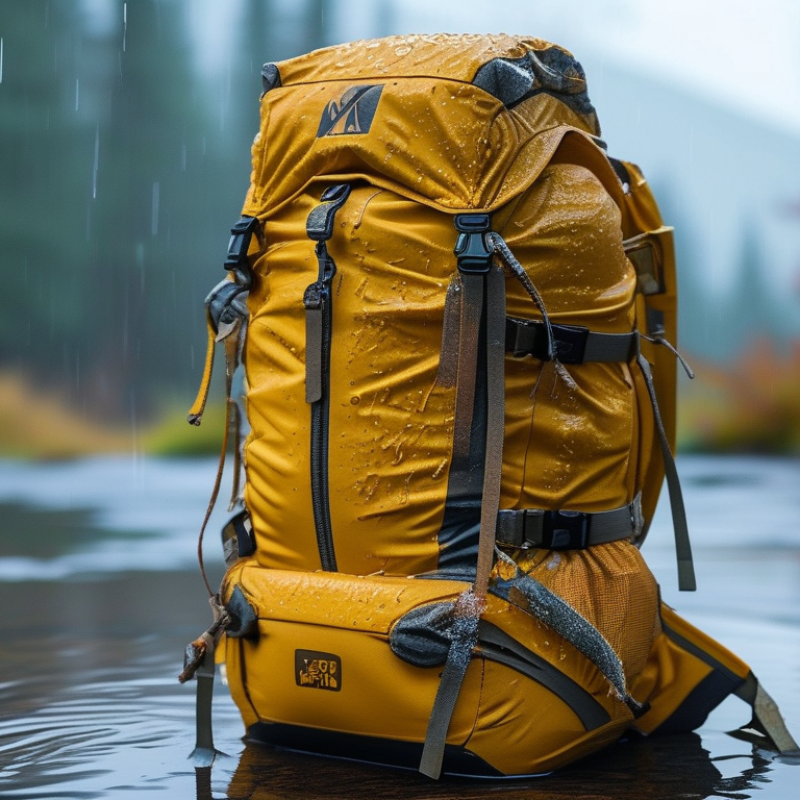
How to Choose a Waterproof Hiking Backpack?

Identify Your Waterproofing and Hiking Requirements

Before choosing a waterproof hiking backpack, identify where and how you will hike. A short forest walk needs different protection from a three-day mountain route. Consider rainfall, humidity, river crossings, trail length, and seasonal temperatures. Heavy rain demands more than a water-resistant coating. Look for sealed seams, protected zippers, and a roll-top closure. A removable waterproof liner adds security when storms become unpredictable.

Your equipment also determines the required capacity. A day hike may need space for water, food, a jacket, first-aid supplies, and navigation tools. Longer trips require room for shelter, cooking equipment, and spare clothing. Do not choose a larger pack automatically. Extra space often encourages unnecessary weight. A well-fitted backpack should sit close to your back, with adjustable shoulder straps and a supportive hip belt. Test it with your expected load before buying.

I once carried a supposedly waterproof pack through steady rain. The fabric resisted water, but the unsealed zipper leaked near my map pocket. That mistake changed how I assess protection. Waterproof ratings can help, but real construction matters more during repeated use. Check whether the seams are taped and whether the closure remains secure when overfilled. I still prefer a dry bag for electronics. It feels excessive on clear mornings, yet weather can change quickly. Your ideal pack should match your actual habits, not an imagined adventure.

How to Choose a Waterproof Hiking Backpack?

Identify your waterproofing and hiking requirements before choosing a pack, rain cover, or dry-bag liner.

The chart uses the IEC 60529 ingress-protection benchmarks: IPX4 protects against water splashes, IPX6 protects against powerful water jets, and IPX7 protects against temporary immersion. Select protection based on expected exposure, while remembering that zippers, seams, and pack openings may require additional rain covers or dry bags.

Compare Backpack Materials, Seams, and Waterproof Ratings

Choosing a waterproof hiking backpack starts with its fabric. Nylon and polyester become more reliable when coated with polyurethane or silicone. A denier number shows yarn thickness, not waterproofness. I once trusted a heavy fabric and ignored its seams. Water still entered through the zipper area.

Check hydrostatic pressure ratings carefully. ISO 811:2018 and AATCC TM127 measure how much water pressure fabric withstands before leakage. These tests usually report millimetres of water column or pressure units. A higher rating generally offers better rain protection. However, laboratory pressure does not perfectly represent a wet, overloaded backpack. Real storms are messier.

Seams deserve equal attention. Taped or welded seams block needle holes better than ordinary stitching. A waterproof zipper also matters, especially near the top opening. The European standard EN 343 classifies rain protection, with its highest waterproofness class exceeding 20,000 pascals. It is useful for comparison, but it was designed for protective clothing, not backpacks. Treat it as a reference, not proof.

The Outdoor Industry Association’s 2024 participation report recorded about 58.7 million U.S. hiking participants in 2023. More hikers mean more varied weather exposure. Inspect the rating, seam construction, closure, and pack shape together. No backpack is perfectly waterproof. I still prefer a liner for electronics, because testing rarely includes careless packing.

Choose the Right Capacity, Compartments, and Weight

How to Choose a Waterproof Hiking Backpack?

Choose the Right Capacity, Compartments, and Weight

Capacity should match the trip, not your optimism. For a day hike, 18 to 30 liters usually holds water, food, rainwear, and basic safety gear. Overnight routes may need 35 to 50 liters, especially when carrying shelter and cooking equipment. I once chose a large pack for a short trail. It felt secure, but the empty space encouraged unnecessary items.

Pack weight matters before loading anything. A waterproof hiking backpack with thick fabric and heavy hardware may protect gear, but it can strain your shoulders. Check the listed weight and test the pack with several kilograms inside. Walk, bend, and adjust the straps. Comfort on a shop floor can mislead you.

Compartments should support quick decisions. A wide main section suits clothing and a sleeping layer. Separate pockets keep maps, snacks, and first-aid supplies accessible. A dedicated water sleeve can reduce clutter, though it is not essential for every hiker. Too many pockets add weight and invite overpacking. I prefer one secure top pocket and two side pockets, but that preference is not universal.

Waterproof does not always mean submersible. Sealed seams and a roll-top closure offer stronger protection than ordinary zippers. Still, wet weather can expose weak points. Test the fit carefully, because a poor harness can ruin an otherwise excellent choice.

Evaluate Fit, Comfort, and Load-Distribution Features

How to Choose a Waterproof Hiking Backpack?

A waterproof hiking backpack should fit your body, not just your gear. Measure your torso from the base of your neck to your hip bones. Adjustable shoulder straps must follow your shoulders without leaving gaps. The hip belt should sit across the upper hip bones and carry most of the weight. Tighten it firmly, but keep normal breathing easy. I once chose a pack by capacity alone. After three hours, my shoulders felt numb. That mistake changed how I test backpacks.

Load distribution matters on steep and uneven trails. Place dense items, such as cooking equipment, close to your back. Keep lighter clothing near the outer panels. A stable load should not swing when you bend or step sideways. Load lifters can pull the upper pack closer to your body. Sternum straps reduce shoulder movement, especially during fast descents. Walk with the intended load before buying. Check whether the hip belt slips or rubs. Small pressure points become painful after several hours. Very waterproof materials may feel less breathable. This trade-off deserves attention. My current preference is practical, not perfect. I still carry too much water sometimes, despite careful planning. A rain cover can add protection, but it may flap in strong wind. Test every adjustment with hiking shoes, layered clothing, and a realistic load.

Check Durability, Safety Features, and Maintenance Needs

How to Choose a Waterproof Hiking Backpack?

Durability should be checked before appearance. Run your fingers across the fabric and inspect the stitching closely. Dense fabric resists abrasion from rocks, branches, and rough ground. Sealed seams help prevent water from entering through needle holes. A roll-top closure usually offers stronger rain protection than a simple zipper. Still, no backpack stays waterproof forever. UV exposure, sharp objects, and repeated folding weaken materials.

Safety features deserve equal attention. Choose a pack with adjustable chest and waist straps for stable movement on uneven trails. A secure fit reduces shoulder strain and keeps the load from swinging. Reflective panels improve visibility during early mornings or fading daylight. An emergency whistle should remain reachable, not buried under clothing. Check whether the pack has a separate compartment for medical supplies or a wet jacket. Fit matters. An overloaded pack can make careful hiking unsafe.

Maintenance needs are easy to underestimate. After a muddy trip, rinse the pack with clean water and let it dry completely in shade. Do not use strong detergents, heaters, or rough brushes. Inspect buckles, seams, and the closure after every demanding hike. Apply a suitable fabric treatment only when water stops forming small beads. I once stored a damp pack overnight, assuming it would dry later. It developed an unpleasant odor and needed several careful washes. That mistake changed my routine, although I still occasionally forget to check the bottom panel. Repair small tears early, before a wet trail exposes them.

FAQS

: How should I choose a waterproof hiking backpack?

: Match the pack to your route, weather, and trip length. A forest walk needs less protection than a three-day mountain route. Consider rain, humidity, river crossings, and seasonal temperatures. Weather changes quickly.

What features provide stronger rain protection?

Look for taped or welded seams, protected zippers, and a roll-top closure. A removable waterproof liner adds another barrier during sudden storms. Water-resistant fabric alone may not be enough.

How much capacity does a hiking backpack need?

A day pack should hold water, food, a jacket, first-aid items, and navigation tools. Longer trips need space for shelter, cooking equipment, and spare clothing. Avoid choosing extra capacity automatically. Empty space can become extra weight.

How should a backpack fit?

The pack should sit close to your back. Adjustable shoulder straps and a supportive hip belt improve comfort. Test it with your expected load before buying. A comfortable empty pack may feel different when full.

Does thicker fabric guarantee better waterproofing?

No. Denier describes yarn thickness, not waterproofness. Coated nylon or polyester can resist water effectively. However, weak seams or leaking zippers can still allow water inside. Fabric thickness is only one detail.

What do waterproof ratings actually tell me?

A higher water-pressure rating generally indicates stronger rain resistance. Laboratory results can help compare materials. They cannot fully predict performance during storms or careless packing. Real conditions are messier.

Why are seams and zippers so important?

Needle holes can let water pass through ordinary stitching. Taped or welded seams block these openings more effectively. A waterproof zipper matters near map pockets and top openings. I once ignored this detail.

Should I protect electronics separately?

Yes, especially during long hikes or uncertain weather. Place phones, cameras, and power banks inside a dry bag or sealed liner. This may feel excessive on clear mornings. I still prefer that small precaution.

Conclusion

Choosing the right waterproof hiking backpack starts with understanding your hiking environment, trip length, and exposure to rain, snow, or water crossings. Consider whether you need full waterproof protection or simply water resistance, then compare materials, sealed or reinforced seams, closures, and waterproof ratings. Capacity should match your gear without adding unnecessary weight, while well-designed compartments can keep essentials organized and easy to reach.

Comfort and stability are equally important. Look for adjustable shoulder straps, a supportive hip belt, breathable back panels, and effective load distribution that suits your body shape. A durable waterproof hiking backpack should also include secure zippers, reflective details, emergency-friendly features, and materials that can withstand repeated outdoor use. Before buying, check how it should be cleaned, dried, stored, and maintained so its protective performance lasts. The best choice balances waterproofing, capacity, comfort, durability, safety, and long-term practicality.


Charlotte

Charlotte

Charlotte is a seasoned marketing professional with a deep understanding of the company's portfolio and a passion for elevating its presence in the market. With a keen eye for detail and a commitment to excellence, she ensures that our professional blog is regularly updated with insightful articles......