How to Choose a Waterproof Dry Backpack for Hiking in 2026?

Time:2026-09-16 Author:Isabella
0%

Choosing a waterproof dry backpack for hiking in 2026 requires more than trusting a bold product label. Outdoor Industry Association’s 2024 Outdoor Participation Trends Report recorded 175.8 million U.S. participants in outdoor recreation during 2023. More hikers mean greater demand for dependable weather protection, comfortable carrying, and durable materials.

Real trails expose weaknesses quickly. A sudden mountain shower can soak shoulder straps, while a river crossing may push water through an unsealed zipper. ISO 811 and AATCC 127 provide recognized methods for testing fabric water resistance and hydrostatic pressure. However, laboratory performance does not guarantee complete field protection. Seams, roll-top closures, abrasion, and careless packing matter too.

Look beyond “waterproof” marketing language. Check the stated hydrostatic-head rating, seam construction, closure design, back-panel ventilation, and load distribution. A welded seam usually inspires more confidence than ordinary stitching. Still, even an excellent pack can fail after sharp rock contact or repeated folding. That is easy to forget.

This guide compares practical features for day hikes, wet forests, alpine routes, and multi-day travel. It also considers weight, repairability, capacity, and comfort when the pack holds several liters of water. The best choice is not always the most expensive model. It is the one that matches your route, climate, equipment, and tolerance for risk. Expect trade-offs. Waterproof protection often reduces breathability, and lighter materials may sacrifice abrasion resistance. Careful selection begins with understanding those compromises.
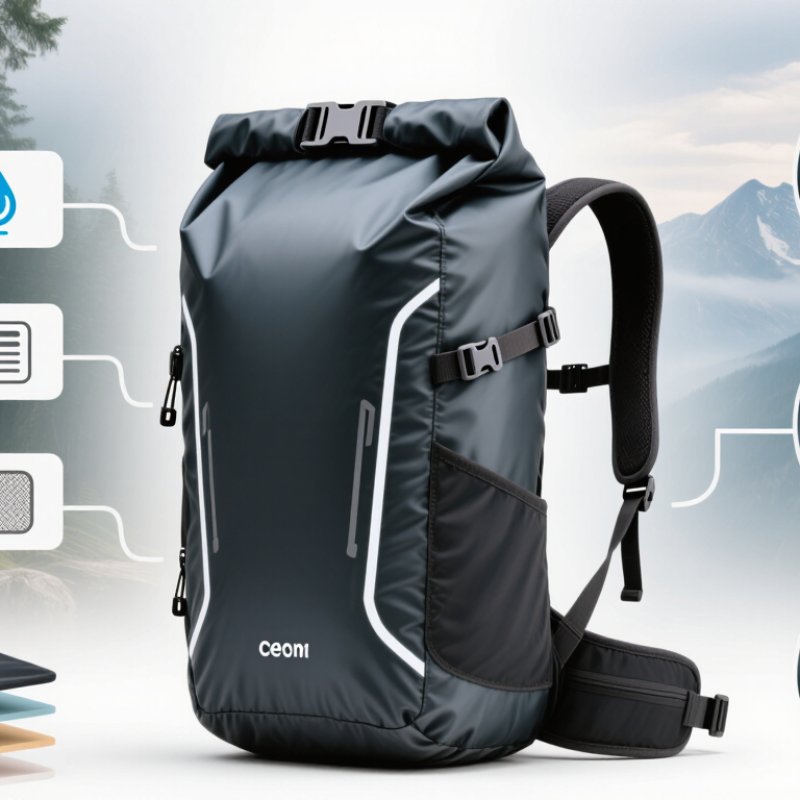
How to Choose a Waterproof Dry Backpack for Hiking in 2026?

What Makes a Hiking Backpack Truly Waterproof in 2026?

A truly waterproof hiking backpack needs more than coated fabric. Its construction must stop water at every weak point. I check the seams, zipper paths, roll-top closure, and attachment points first. Stitching alone leaves tiny entry channels. Welded seams or continuous seam tape provide stronger protection.

The IEC 60529 standard offers a useful benchmark. IPX7 means temporary immersion at one meter for up to 30 minutes. IPX6 covers powerful water jets, but it does not guarantee immersion protection. A backpack is not automatically certified by these ratings. Still, the distinction helps shoppers read product claims carefully.

The AATCC 127 test measures hydrostatic pressure before water penetrates fabric. Higher pressure resistance usually helps during prolonged rain, but laboratory fabric results cannot fully predict field performance.

The details matter.

In heavy rain, a roll-top closure should have several tight folds and a firm buckle. An exposed zipper needs a sealed design, not just a water-resistant coating. The 2024 Outdoor Participation Trends Report recorded 175.8 million U.S. outdoor participants, increasing demand for dependable wet-weather equipment. Yet “waterproof” remains an imperfect word. Pressure from shoulder straps can force water through seams. Repeated folding can also damage coatings. I would test the pack under a shower, then inspect the liner with dry tissue. That simple test is not scientific, but it reveals careless construction quickly.

How to Match Backpack Capacity to Your Hiking Plans

Choosing a waterproof dry backpack for hiking in 2026 starts with your trip plan, not its advertised size. I measure the gear before packing. A day hike usually needs 15–25 liters for water, food, a rain shell, first-aid supplies, and extra layers. In hot weather, water alone may require several liters. A little extra space helps.

For an overnight route, 30–45 liters often provides better balance. It can hold a compact sleeping system, cooking equipment, warm clothing, and emergency items. Multi-day hikes may require 50–70 liters, especially in cold regions. However, a larger bag can encourage overpacking and create shoulder strain. Pack volume should match your equipment, not your anxiety.

Waterproof construction protects contents from rain and accidental splashes, but it does not replace careful packing. I place clothing and electronics in separate waterproof pouches inside the main compartment. Roll-top closures need several firm folds, and overloaded bags may not seal correctly. The backpack should sit close to your back, with weight centered between your shoulders and hips. A hip belt becomes valuable above roughly 30 liters. Test the loaded bag at home before hiking. My own first choice was sometimes too large. That mistake made steep climbs slower and less comfortable. Check the forecast, water sources, shelter needs, and local conditions before selecting capacity.

Which Materials and Seams Provide Reliable Water Protection?

When choosing a waterproof dry backpack for hiking in 2026, inspect the fabric first. TPU-coated nylon offers a strong balance between flexibility, weight, and abrasion resistance. PVC-coated fabric usually feels heavier, but it handles rough treatment well. Lightweight laminated fabrics can work beautifully, yet sharp rocks may damage their outer layer. Feel the fabric carefully. A stiff, cracking coating is a warning sign.

Seams decide whether waterproof fabric stays waterproof. Radio-frequency welded seams create a continuous bond without needle holes. Heat-taped stitched seams can also perform reliably when applied evenly. Look for smooth tape, especially around shoulder straps, the base, and side panels. Wrinkles or lifted edges can become small leaks. A roll-top closure should fold tightly at least three times. Its buckle must still work with cold, wet hands.

I once trusted a bag because its fabric felt completely sealed. Water entered through a poorly finished bottom seam after one rainy hike. That mistake changed my inspection routine. I now place dry tissue inside and test the pack under a gentle shower. I avoid high-pressure spraying, because it can exaggerate weaknesses. Check the inside afterward, including corners and attachment points. No material is magically waterproof forever. Repeated folding, grit, and sun exposure slowly reduce protection. Some packs advertise waterproof fabric but use ordinary sewn pockets, so inspect every compartment.

How to Compare Comfort, Fit, Weight, and Carrying Features

Choosing a waterproof dry backpack in 2026 starts with your body, not its advertised capacity. During wet day hikes, I compare comfort after several hours, not during a shop fitting. Fit matters more than capacity. The pack should sit close to your back without restricting your shoulders. Adjustable torso length helps match different body shapes. A padded hip belt should rest on your hips, not your waist. If your shoulders ache early, the load probably sits incorrectly.

Weight deserves careful attention. An ultralight pack may feel excellent when empty, yet become unstable with food, water, and rain gear. I check how its frame, straps, and back panel handle a realistic load. A sternum strap can reduce shoulder movement on steep trails. Ventilated padding also helps when your shirt is already damp.

Small details matter. Try packing a towel, bottle, jacket, and first-aid supplies before deciding.

Carrying features should support movement rather than create clutter. Look for secure side pockets, reachable bottle storage, and attachment points for trekking poles. Roll-top closures need several firm folds, especially before entering heavy rain. Inspect seams and welded areas for gaps. Do not treat water resistance as full waterproofing. My own testing was imperfect; I once focused on low weight and ignored poor hip-belt adjustment. That mistake caused discomfort before noon. Now, I walk with the loaded pack, bend forward, and check whether anything shifts, rubs, or becomes difficult to reach.

What Safety and Maintenance Features Should You Check Before Buying?

A waterproof dry backpack should protect gear and support safe movement. OIA’s 2024 Participation Trends Report recorded 175.8 million U.S. outdoor participants in 2023. More people are carrying electronics, food, and emergency layers into wet conditions. Choose welded seams, a roll-top closure, and a stated water-resistance test. ISO 811:2018 evaluates fabric resistance through hydrostatic-pressure testing. However, many dry packs are not tested as complete systems. The closure may still leak.

Check the harness carefully. A sternum strap should lock securely, while padded shoulder straps should prevent rubbing under a wet shirt. A waist belt improves balance on steep ground. Look for reflective panels, a loud emergency whistle, and an external contact label. The National Park Service reported 325.5 million recreation visits in 2023. Small visibility features matter when trails become crowded or visibility drops. I once ignored a loose buckle. That was careless.

Tips: Test the pack in a shower before a long hike. Place tissue inside first. Inspect seam tape, buckles, and coating after every muddy trip. Rinse grit with clean water, then dry the pack fully away from direct heat. Never store it damp. Avoid harsh detergents, which can weaken coatings. A repair patch is useful, but it is not a permanent solution. Check the manufacturer’s care instructions, even when they seem inconvenient.

How to Choose a Waterproof Dry Backpack for Hiking in 2026?

Water-Jet Test Flow Rates Defined by IEC 60529

When comparing waterproof backpacks, check whether the stated IPX rating is supported by a documented test. Under IEC 60529, IPX4 uses approximately 10 L/min of splashing water, IPX5 uses approximately 12.5 L/min from water jets, and IPX6 uses approximately 100 L/min from powerful water jets. IPX7 and IPX8 refer to immersion rather than water-jet flow, so their test conditions must be checked separately.

Before buying, inspect the roll-top or zipper closure, welded seams, buckle security, drainage design, reflective details, and repairable components. For maintenance, rinse away salt and grit, dry the backpack completely before storage, inspect seams and closures regularly, and follow the manufacturer’s cleaning instructions.

FAQS

What backpack capacity suits a day hike?

Choose about 15–25 liters for water, food, rain gear, first aid, and extra layers. A little spare room helps.

How large should an overnight hiking backpack be?

A 30–45-liter pack usually holds a compact sleeping system, cooking gear, warm clothing, and emergency supplies.

What capacity works for multi-day hikes?

Consider 50–70 liters in cold regions or during longer trips. Avoid unnecessary space. Larger bags can encourage overpacking.

Does waterproof construction guarantee completely dry gear?

No. Use separate waterproof pouches for clothing and electronics. Fold the roll-top closure firmly several times.

How should a hiking backpack fit?

Keep it close to your back, with weight centered between your shoulders and hips. The hip belt should rest on your hips.

What features improve carrying comfort?

Adjustable torso length, padded straps, a sternum strap, and ventilated back padding can improve comfort. Small details matter.

Which safety features should a waterproof backpack include?

Check secure buckles, reflective panels, an emergency whistle, and an external contact label. Visibility matters in poor conditions.

How can I test a backpack before hiking?

Load it with realistic gear, then walk, bend forward, and check for shifting or rubbing. My first choice was sometimes too large.

How should I maintain a waterproof hiking backpack?

Rinse away grit with clean water and dry the pack fully away from direct heat. Never store it damp. Inspect seams and buckles regularly.

Can a repair patch permanently fix a damaged backpack?

A repair patch can help temporarily, but it is not a permanent solution. I would inspect the damage again before a longer hike.

Conclusion

Choosing the right waterproof dry backpack for hiking in 2026 starts with understanding how it protects your gear. Look for a roll-top or securely sealed closure, water-resistant zippers, and fully welded or carefully taped seams rather than relying only on coated fabric. Match the capacity to your plans: a compact pack may suit a short day hike, while longer trips require room for clothing, food, navigation tools, and emergency essentials without becoming unnecessarily bulky. Materials should balance waterproof performance, abrasion resistance, and reasonable weight.

Comfort is equally important. Check the back panel, shoulder straps, hip belt, load distribution, and adjustability to ensure a stable fit over changing terrain. Helpful safety features may include reflective details, accessible pockets, attachment points, and internal organization that keeps critical items easy to reach. Before buying, consider how the pack is cleaned, dried, repaired, and tested for leaks. A dependable hiking pack should protect your equipment while remaining comfortable, practical, and durable throughout varied outdoor conditions.


Isabella

Isabella

Isabella is a dedicated marketing professional with a sharp focus on driving brand growth and engagement through strategic content creation. With an extensive background in digital marketing, she combines her passion for storytelling with her keen understanding of industry trends to deliver......