Choosing the right water resistant backpack can make daily travel calmer and more predictable. A sudden shower, crowded train, or wet café floor can quickly expose weak materials. This guide examines ten practical options for global buyers, focusing on protection, comfort, capacity, and long-term value.
Each backpack is considered through real travel needs. We look at fabric coatings, sealed or covered zippers, reinforced stitching, padded straps, and laptop protection. Small details matter. A roll-top closure may resist heavy rain, while an organized interior may better suit office commuters. We also consider weight, ventilation, bottle pockets, warranty support, and cleaning requirements. These features can feel different across climates and body types.
No backpack performs perfectly in every condition. “Water resistant” usually means protection from light rain and brief splashes, not complete waterproofing. That distinction deserves attention. Product specifications can also vary by region, seller, and production batch. Our comparisons aim to remain practical and transparent, using available manufacturer information alongside realistic travel scenarios. Still, personal testing may reveal weaknesses that photographs cannot show. A zipper might feel stiff. A shoulder strap might rub after several hours. Those details matter more than polished marketing language. Whether you need a compact commuter pack, a reliable carry-on companion, or a durable daypack, this selection provides a clear starting point. Pack carefully. Expect trade-offs.
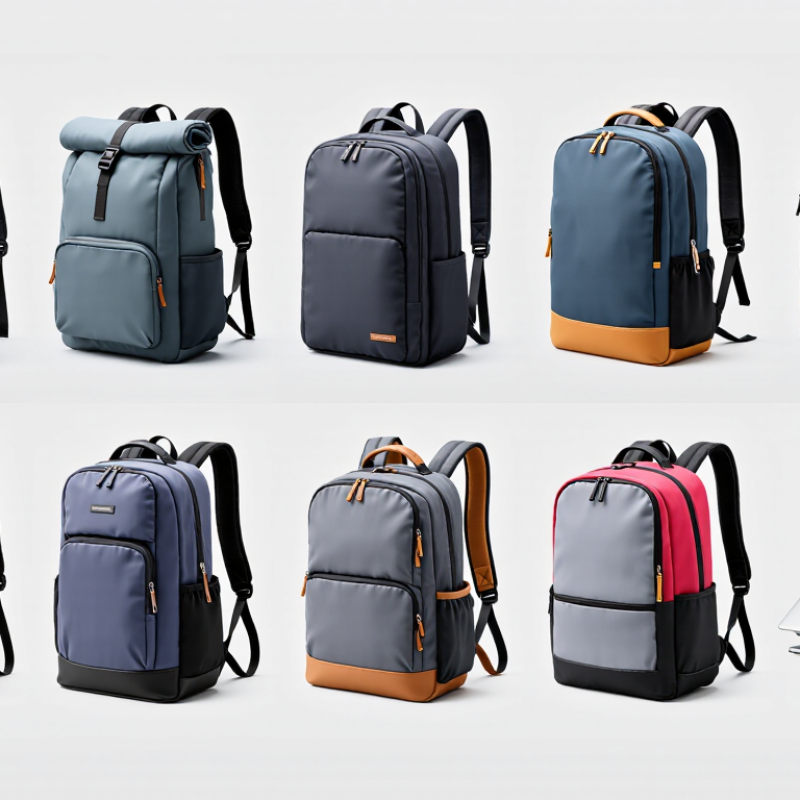
What Makes a Backpack Water Resistant?
Water resistance begins with fabric, but fabric alone is not enough. A coated nylon or polyester face can repel rain, while a dense weave slows water penetration. The real weakness often appears at seams, zippers, and attachment points. A backpack may shed a short shower yet leak during hours of steady rain.
Testing gives useful evidence. ISO 811 measures fabric resistance through hydrostatic pressure, recorded in millimetres of water. AATCC TM22 evaluates surface wetting through a spray rating. These tests help compare materials, but they do not perfectly represent a crowded commuter bag on a windy street. No rating tells the whole story. Compression, abrasion, and repeated folding can reduce performance over time.
Construction matters just as much. Taped seams, covered zippers, folded storm flaps, and a raised base protect common entry points. The World Meteorological Organization’s State of the Global Climate 2023 reported a record global mean temperature, about 1.45°C above the pre-industrial average. Unpredictable heavy rain makes these details more practical for global buyers. In field checks, place tissues inside the main compartment and expose the bag to controlled spray. Inspect corners afterward. A small leak is easy to miss. Water-resistant is not waterproof, and that distinction deserves honest product wording.
With international tourism returning to 1.4 billion arrivals in 2024, according to UN Tourism’s World Tourism Barometer, backpack performance matters across changing climates. The best water-resistant backpacks should be compared by more than appearance. Check the fabric denier, coating type, seam construction, and zipper coverage. A roll-top closure usually limits rain entry better than a standard flap. However, it may slow access in airports. Capacity also matters. A 20–30-liter design suits daily travel, while longer trips may require 35 liters or more.
Water resistance is not the same as waterproofing. The IEC 60529 standard explains IP protection ratings, but many backpacks do not carry an IP code. Ask whether the product has taped seams, a stated hydrostatic-pressure test, or an included rain cover. The ISO 811:2018 method measures fabric resistance to water pressure, yet real use is rougher. Packed corners, repeated folding, and worn coatings can reduce protection. I treat laboratory ratings as evidence, not a promise. The 2024 Outdoor Participation Trends Report recorded 175.8 million U.S. outdoor participants in 2023, showing how widely packs face repeated, practical use.
Tips: Inspect stitching inside the main compartment. Look for dense, even seams and reinforced stress points. Test the shoulder straps with weight, not empty fabric. A breathable back panel, adjustable sternum strap, and padded hip belt improve comfort. Reflective details help in poor visibility. Check repair support and material disclosures too. Those details are easy to ignore, and sometimes I do. That mistake becomes obvious after a wet commute.
The 10 Best Water Resistant Backpacks for Global Buyers should be judged by real travel conditions, not attractive photos. Grand View Research estimates the global backpack market will grow steadily through 2030, supported by commuting, tourism, and outdoor recreation. That growth gives buyers more choice, but product descriptions remain inconsistent.
The strongest ten options usually combine coated fabric, sealed or covered zippers, reinforced stitching, and padded laptop protection. Check the denier rating, fabric coating, and zipper construction. A light shower is different from hours beside a wet bus window. Look for tested water-resistance claims, not vague words such as “weatherproof.” IEC 60529 ingress-protection guidance can help explain testing language, although many backpacks are not certified under that standard. This distinction is easy to miss.
Global buyers should also compare back-panel ventilation, carry-on dimensions, repair access, and weight. A 1.2-kilogram pack may feel comfortable empty, then become painful with a camera, documents, and a full bottle. Research and Markets identifies travel and outdoor use as important drivers in the expanding backpack sector. Still, market growth does not guarantee better durability. Some designs use excellent coatings but weak seams. Others protect electronics while sacrificing ventilation. My practical preference is a compact, independently tested pack with replaceable buckles, visible drainage points, and a simple internal layout. There is no perfect choice. Check local rainfall, airline limits, and daily load before selecting among the ten.
| Rank | Backpack Type | Approx. Capacity | Approx. Weight | Approx. Dimensions | Primary Material | Water-Resistance Design | Laptop Protection | Best For | Typical Global Price Range | Overall Suitability |
|---|---|---|---|---|---|---|---|---|---|---|
| 1 | Roll-Top Commuter Pack | 20–25 L | 0.75–1.00 kg | 46 × 30 × 16 cm | Coated polyester or recycled polyester | Roll-top closure, coated fabric, water-resistant exterior zippers | Padded compartment for laptops up to 15.6 inches | Daily commuting, cycling, and urban travel | US$45–100 | ★★★★★ |
| 2 | Waterproof Dry-Bag Backpack | 20–30 L | 0.80–1.20 kg | 48 × 32 × 18 cm | Welded PVC or TPU-coated fabric | Roll closure with welded seams; commonly designed for heavy rain | Usually has a basic sleeve rather than a fully padded laptop case | Boating, beach travel, hiking, and wet-weather activities | US$35–90 | ★★★★★ |
| 3 | Water-Resistant Travel Pack | 28–35 L | 1.10–1.60 kg | 50 × 32 × 22 cm | High-denier nylon with polyurethane coating | Water-resistant shell, covered zippers, and reinforced base | Padded sleeve for laptops up to 16 inches | Short business trips and carry-on travel | US$80–180 | ★★★★★ |
| 4 | Lightweight Daypack | 15–20 L | 0.45–0.75 kg | 43 × 28 × 15 cm | Ripstop nylon with durable water-repellent finish | Water-shedding fabric and covered outer pockets | Tablet sleeve or slim laptop sleeve up to 14 inches | City sightseeing, school, and everyday errands | US$25–70 | ★★★★☆ |
| 5 | Clamshell Tech Backpack | 18–24 L | 0.90–1.30 kg | 45 × 31 × 18 cm | Ballistic nylon or coated polyester | Water-resistant panels, reverse-coil zippers, and protected seams | Raised, padded laptop compartment for devices up to 16 inches | Electronics, office commuting, and digital work | US$60–150 | ★★★★☆ |
| 6 | Outdoor Hiking Pack | 25–32 L | 0.90–1.40 kg | 55 × 30 × 22 cm | Ripstop nylon with reinforced panels | Water-resistant fabric; many versions include a separate rain cover | Hydration sleeve; laptop protection varies by design | Day hikes, outdoor travel, and mixed terrain | US$55–140 | ★★★★☆ |
| 7 | Expandable Cabin Backpack | 24–32 L | 1.00–1.50 kg | 45 × 32 × 20 cm; expands to approximately 24 cm deep | Coated polyester or nylon | Water-resistant outer fabric and protected expansion zipper | Padded laptop section for devices up to 15.6 inches | Air travel, overnight trips, and flexible packing | US$70–170 | ★★★★☆ |
| 8 | Anti-Theft Urban Backpack | 18–22 L | 0.90–1.30 kg | 44 × 30 × 17 cm | Cut-resistant polyester or nylon | Water-resistant shell, concealed zippers, and limited-access openings | Padded laptop compartment for laptops up to 15.6 inches | Crowded cities, public transport, and international tourism | US$50–130 | ★★★★☆ |
| 9 | Convertible Tote-to-Backpack | 16–22 L | 0.70–1.10 kg | 42 × thirty × 15 cm | Coated canvas, polyester, or lightweight nylon | Water-resistant exterior with zippered main opening | Interior sleeve commonly suitable for laptops up to 14 inches | Work, shopping, commuting, and multifunctional travel | US$40–110 | ★★★☆☆ |
| 10 | Compact Cycling Backpack | 12–18 L | 0.45–0.85 kg | 42 × 26 × 14 cm | Ripstop polyester or nylon | Water-resistant shell, sealed or covered zippers, and reflective details | Usually designed for tablets or compact laptops up to 13 inches | Cycling, scooters, active commuting, and light travel | US$35–100 | ★★★☆☆ |
Specifications and prices are approximate market ranges intended for international comparison. Water resistance does not necessarily mean full waterproofing; roll-top or welded-seam designs generally provide stronger protection than standard water-repellent finishes. Dimensions and capacity may vary slightly by configuration and measuring method.
A water-resistant backpack should match your daily movement, not just a product photograph. For travel, check capacity, zippers, shoulder padding, and easy access at crowded stations. A 20-to-30-liter shape usually carries clothing, documents, and a small tablet without feeling bulky. Water-resistant fabric helps during brief showers. It does not guarantee dryness in heavy rain. That distinction matters.
For work, choose a structured compartment that protects a laptop and keeps chargers away from notebooks. Look inside before buying. Small details matter. A padded back panel can reduce pressure during a long commute, while a luggage sleeve makes airport transfers easier. Test the zipper with one hand. If it catches on fabric, daily use may become frustrating. I once chose a stylish bag with weak internal organization, and finding a pen became surprisingly difficult.
Outdoor use requires a different balance. Adjustable chest straps, breathable back padding, and stable side pockets help on uneven trails. Inspect stitched seams and zipper covers, especially around the main opening. Pack weight should stay close to your body, not pull backward. A rain cover offers extra protection, but it can be easy to forget at home. That is a practical flaw worth considering. Also check whether the empty bag feels comfortable, because unnecessary padding can add weight before packing begins.
A water-resistant backpack needs routine care, not just a promising fabric label. Textile Exchange’s 2024 Materials Market Report recorded global fiber production at 124 million tonnes in 2023. Polyester represented about 57% of that volume, making surface care relevant to many daily-use packs. Wipe dust and road salt away with cool water after each trip. Salt can stiffen fabric and weaken coatings over time.
Do not machine-wash a coated backpack unless the care label permits it. Use mild soap, a soft cloth, and gentle pressure around zippers and seams. Avoid bleach, solvents, and high heat. The International Organization for Standardization’s ISO 811 test measures hydrostatic pressure, but laboratory resistance does not guarantee permanent protection in heavy rain. Abrasion changes the result.
Dry the pack fully before storage. Leave every pocket open, and keep it away from radiators or direct sunlight. Inspect the base, shoulder straps, and zipper covers every few months. A cloudy coating, peeling seam tape, or damp inner lining signals trouble. Reproofing may help, but it cannot repair torn fabric.
I sometimes overfill a pack, which strains the seams more than expected. That habit deserves correction.
For dependable use, place electronics and documents inside separate waterproof liners, even when the backpack still looks perfect.
Coated nylon or polyester helps repel rain. A dense weave slows water entry.
No. Water-resistant fabric may handle a short shower.
Look for taped seams, covered zippers, storm flaps, and a raised base.
Place dry tissues inside the main compartment. Spray the outside carefully.
A 20–30-liter backpack suits commuting and short trips.
Inspect stitching, reinforced stress points, strap adjustment, and back-panel ventilation.
No. They provide useful evidence, not a complete promise.
A rain cover adds protection during heavy weather. It helps protect exposed zippers and seams.
Compare airline size limits, local rainfall, backpack weight, and daily load.
State the tested material, coating, seam construction, and zipper coverage.
A water resistant backpack is designed to repel rain and moisture through coated fabrics, sealed or covered zippers, reinforced stitching, and protective construction. When comparing options, global buyers should consider material quality, capacity, comfort, weight, compartment layout, laptop protection, ventilation, durability, and ease of cleaning. This guide presents 10 practical choices suited to different budgets and everyday needs, helping readers identify the right balance between weather protection, functionality, and portability.
The best backpack depends on its intended use. Travelers may prioritize security, organization, and lightweight storage, while commuters often need padded technology compartments and professional comfort. Outdoor users may prefer stronger materials, adjustable support, and better coverage in changing weather. To maintain water resistance, avoid overloading the bag, clean it with mild soap, dry it completely, inspect seams and closures regularly, and refresh protective coatings when necessary. With proper selection and care, a reliable backpack can provide long-lasting performance for work, travel, and outdoor activities.

omaska